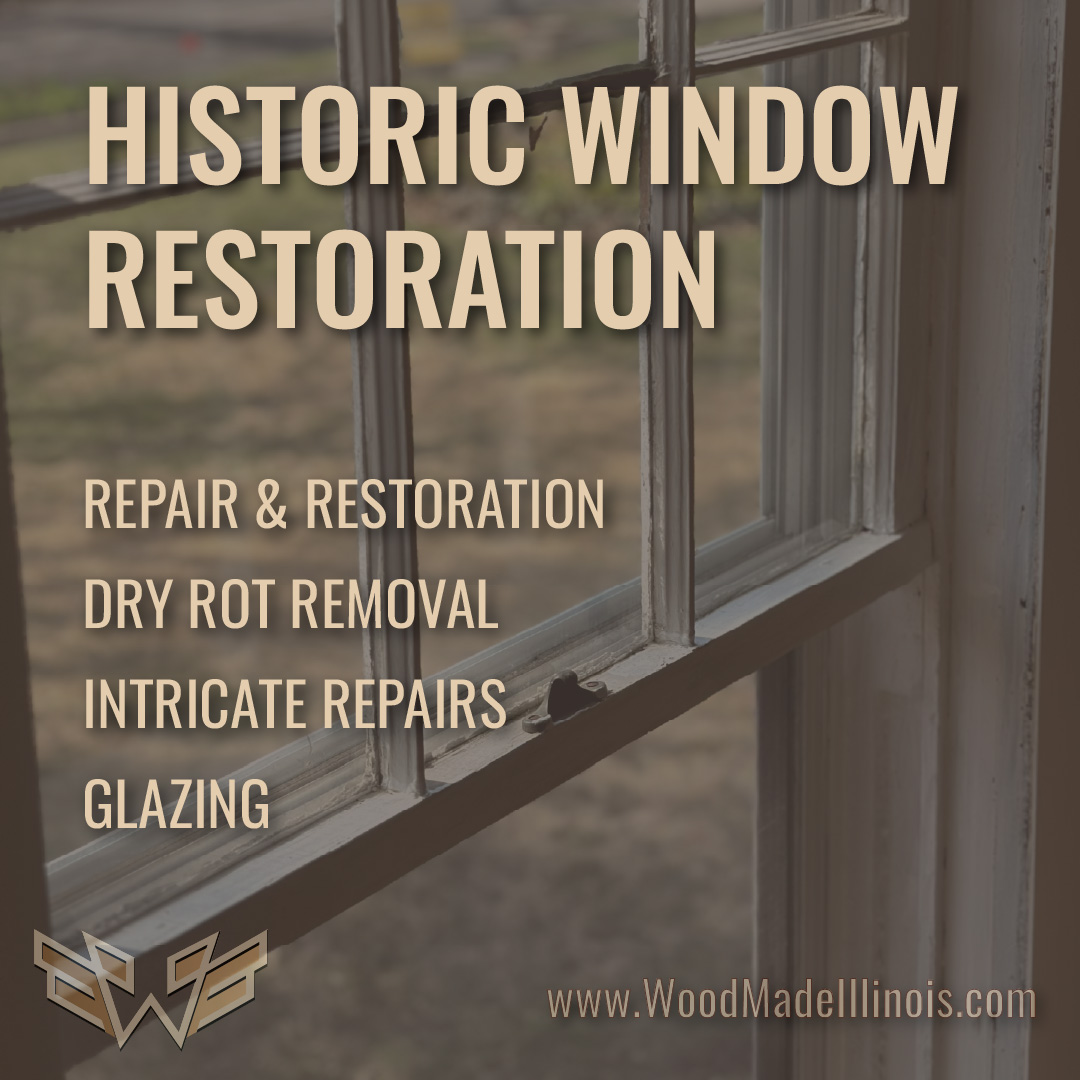
Windows are the soul of a historic property, acting as defining features that showcase both time-tested functionality and incredible aesthetic charm. However, as the decades take their toll, these architectural treasures require expert intervention to bring back their former glory.
Whether you are a homeowner trying to preserve your property’s historic charm in Springfield, or an architect looking for specialized window preservation techniques in Peoria, this comprehensive guide serves as your go-to resource for premium window restoration and repair.
1. Identifying Common Issues: A Closer Look at Window Problems
Before beginning any project, it is crucial to diagnose exactly what is failing. Properties across the region commonly experience three major issues:
- Drafts and Air Leaks: Gaps between the window frames and walls, worn-out weatherstripping, or improperly sealed glass panes can cause severe discomfort and skyrocket your energy bills. This is a highly requested fix for historical window draft repair in Bloomington-Normal and window insulation services in Decatur.
- Fogged or Condensated Glass: If you have double-pane windows and notice moisture or fogging between the panels, the perimeter seal has failed. Professional defogging and glass unit replacement in Champaign-Urbana is necessary to restore clarity and thermal performance.
- Difficulty Opening and Closing: Warped wood frames from moisture damage, broken sash cords, or misaligned components make operation frustrating and dangerous. Homeowners frequently seek wooden window sash and track repair in Pekin and stuck window repair in East Peoria to get things sliding smoothly again.
2. The Art of Restoration: Specialized Techniques and Methods
True window restoration requires a delicate touch, meticulous attention to detail, and deep craftsmanship. Experts utilize a variety of advanced methods to revive these features:
- Repairing Damaged Frames: Addressing rot and wood decay promptly through stabilization or Dutchmen repairs (wood patching).
- Preserving Historic Glass: Keeping original, wavy historic glass intact by carefully cleaning, repairing cracks, or sourcing authentic matching glass for historic glass restoration in Galesburg.
- Rejuvenating Wood Finishes: Stripping away lead-laden, cracked paint layers down to bare wood and applying durable, period-accurate primers and topcoats.
- Advanced Weatherproofing: Integrating hidden, high-performance weatherstripping around sashes to stop drafts without ruining the classic look of the window.
3. Selecting the Right Materials for Longevity
Investing in premium supplies ensures your restored windows stand up to harsh Illinois winters and humid summers for decades to come:
- Window Glass: Opt for high-quality, durable glass with strong insulation properties. For older homes, finding single-pane glass with historical distortion is key, while modern replacements benefit from double-glazing.
- Sealants: silicone should never be used, and is often found to be one of the culprits causing rot!
- Traditional Putty: Time-tested linseed oil glazing putty remains the gold standard for sealing glass panes into wooden sashes, offering a flexible, long-lasting, and repairable bond.
4. Navigating Local Historic Regulations
Before picking up a scraper, it is helpful to familiarize yourself with local guidelines. Municipalities like Springfield, IL, Peoria, IL, and Champaign, IL have landmark commissions and historic districts with preservation codes designed to help you keep the historic charm of your home. If you’re not familiar with the ‘codes’ you can simply call up your local historic society or town office and ask for an explainer.
- Approved material types for historic setbacks and districts.
- Limitations or requirements regarding original profile matching or paint colors.
- If your property requires a Certificate of Appropriateness (COA) before work begins.
5. The Step-by-Step Window Repair Process
Restoring a window with expert precision follows a highly structured, chronological sequence:
Step 1 : Comprehensive Assessment
Examine the condition of each window sash, sill, and frame. Document structural wood rot, cracked glazing putty, broken sash cords, or fractured glass panes.
Step 2 : Deconstruction and Cleaning
Carefully remove the sashes from the frame. Clean away decades of dirt, grime, and loose glazing compound using gentle, non-destructive scraping methods.
Step 3: Rot Mitigation and Wood Repair
This is the part you might not want to try without experience but rotted wood sections need to be removed or filled with a specialty epoxy that will resist moisture. Apply consolidation epoxies and architectural wood fillers to rebuild damaged profiles if the damaged area is small enough. You will need to fabricate muntins or stiles that have extensive damage. Some types of damage can be repaired with a “dutchman” joint – but it’s nuanced.
Step 4: Glass Replacement and Re-Glazing
Remove broken shards while wearing safety gear. Bed the new or original glass back into the sash using a high-quality glazing compound and glazing points, tooling it to a clean, angled finish.
Step 5: Priming and Painting
Scrape any remaining loose paint from the frames. Apply an oil-based exterior primer to all bare wood, followed by two coats of premium exterior paint, ensuring a slight overlap onto the glass or glaze to create a weather-tight seal.
6. Preserving Authenticity: Modern Needs vs. Historical Accuracy
The ultimate goal of window restoration is balancing the original visual integrity of the building with modern expectations of comfort. Specialized restoration techniques allow you to keep the architectural soul of your property intact while integrating high-efficiency weather seals. This gives you the best of both worlds: a historically accurate window that keeps out the drafts just as well as a modern replacement. Don’t believe the hype of the Anderson, Pella, or other salesman – we have testing data that shows your historic wooden windows with single pane glass are just as energy efficient as what they are selling. The Highest level of energy efficiency and longevity for our icy illinois winters are exterior storms, either original wooden ones, or after market aluminum storms.
7. Maintenance Tips for Prolonging Your Investment
Once your windows are beautifully restored, a simple upkeep routine will keep them looking perfect for a lifetime:
- Regular Cleaning: Wash frames and glass gently using warm water and a mild detergent. Avoid harsh chemical sprays or abrasive pads that scratch premium finishes.
- Annual Inspection: Walk the perimeter of your home every spring. Look for fresh hairline cracks in paint, separated caulk lines, or compromised glazing putty.
- Proactive Weatherproofing: Never caulk small gaps between the window frame – the frame needs to drain, and most inexperienced applications cause rot and decay rather than prevent entrance of water.
DIY vs. Professional Historic Window Restoration
Factor |
DIY Restoration |
Professional Restoration |
| Cost | Budget-friendly (materials only) | Higher upfront investment |
| Time Investment | High before steep learning curve | Fast, efficient turnaround times |
| Lead Safety | Hard to contain without proper gear | Certified safe lead-containment practices |
| Final Quality | Dependent on personal skill level | Flawless, structurally guaranteed results |
If you are looking for highly experienced professionals specializing in custom historic wood window replication, millwork, and full-scale architectural preservation, you’ve come to the right expert.