1. Structural and Material Damage
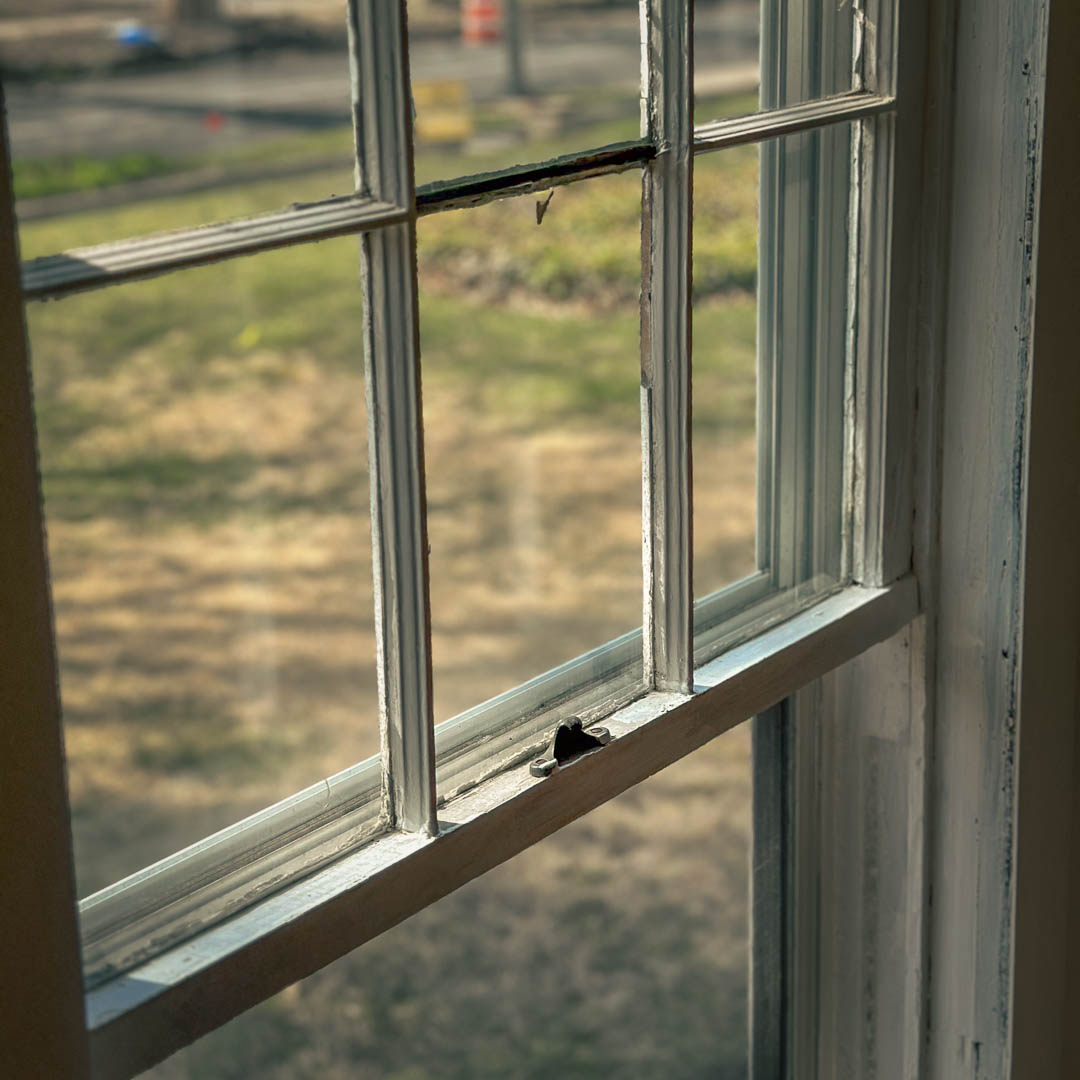
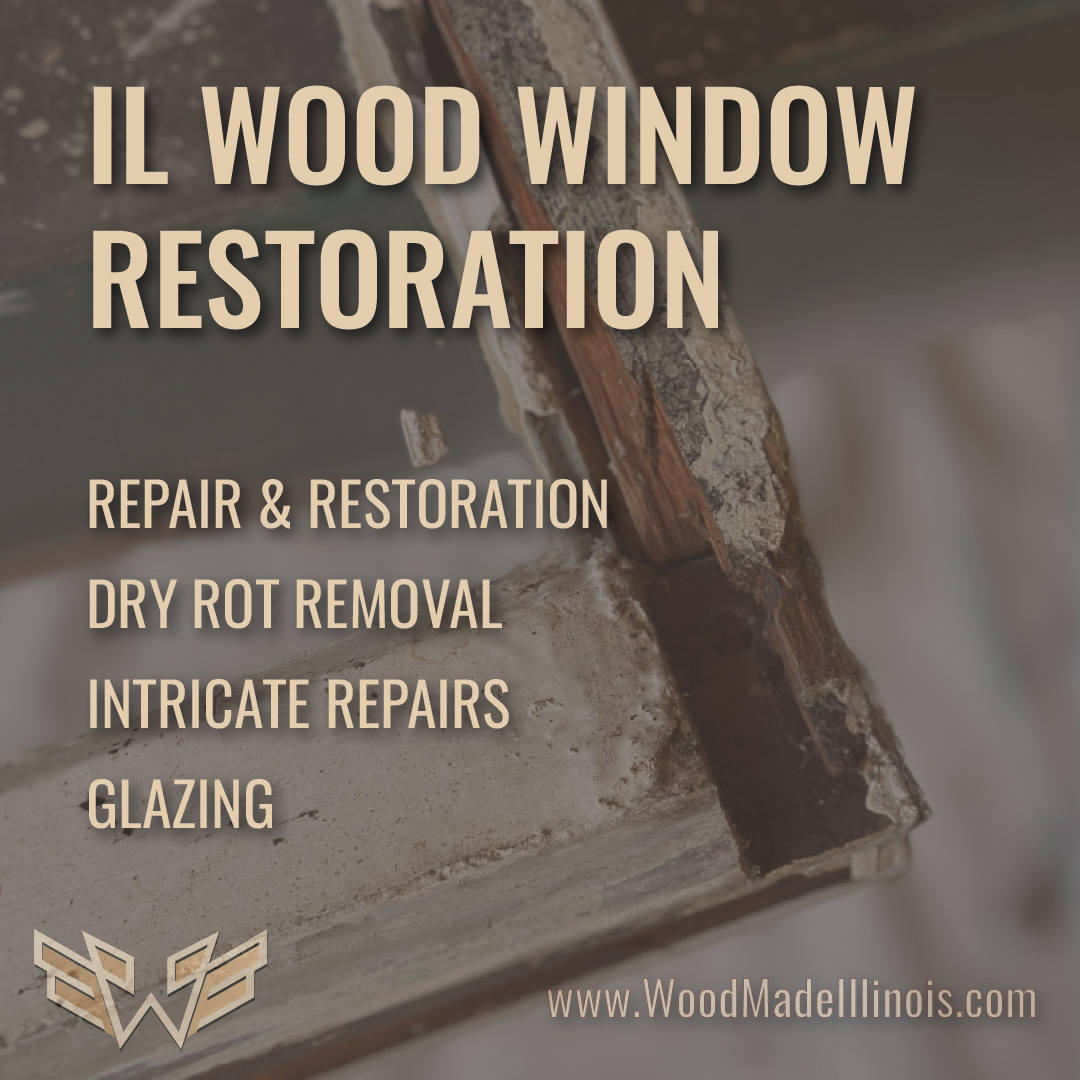
- Wood Rot: Constant exposure to moisture causes wet or dry rot, resulting in soft, discolored, or crumbling timber—most commonly found on the lower sills and bottom corners of the frame.
- Cracking and Splitting: Weather fluctuations cause the wood to expand and contract, leading to splits, peeling paint, or separation at the frame joints.
- Warping: Excess moisture and prolonged sun exposure can cause the wood to twist or sag out of shape, which ruins the tight seal required for proper closure.
- Sticking or Jamming: Swelling wood, misaligned frames, or layers of built-up paint often cause windows to stick, making them difficult or impossible to open or close.
- Failed Balances or Counterweights: On older double-hung windows, internal mechanisms (like broken sash cords, chains, or rusted balances) fail, preventing the window from staying open.
2. Energy Loss
- Air Drafts: Deteriorated or missing weatherstripping allows outside air to leak in, directly driving up heating and cooling costs.
- Degraded Glazing Putty: The putty holding the glass panes in place dries out, cracks, and falls away, leading to water leaks and significant drafts.
- Condensation: Air leaks from inside or outside create trapped moisture, which degrades the wood and fog.
3. Hardware Failures
- Rusted or Loose Hardware: Hinges, locks, and handles can corrode or become loose over time, compromising the security and operability of the window.
4. Biological & Pest Damage
- Insect Infestation: Rotted or untreated wood attracts termites and carpenter ants, which can tunnel into the frame and cause severe structural compromises.
- Mold and Mildew: Moisture trapped in decaying wood leads to mold growth, which can cause health issues if left unchecked.
Restoration VS REPLACEMENT
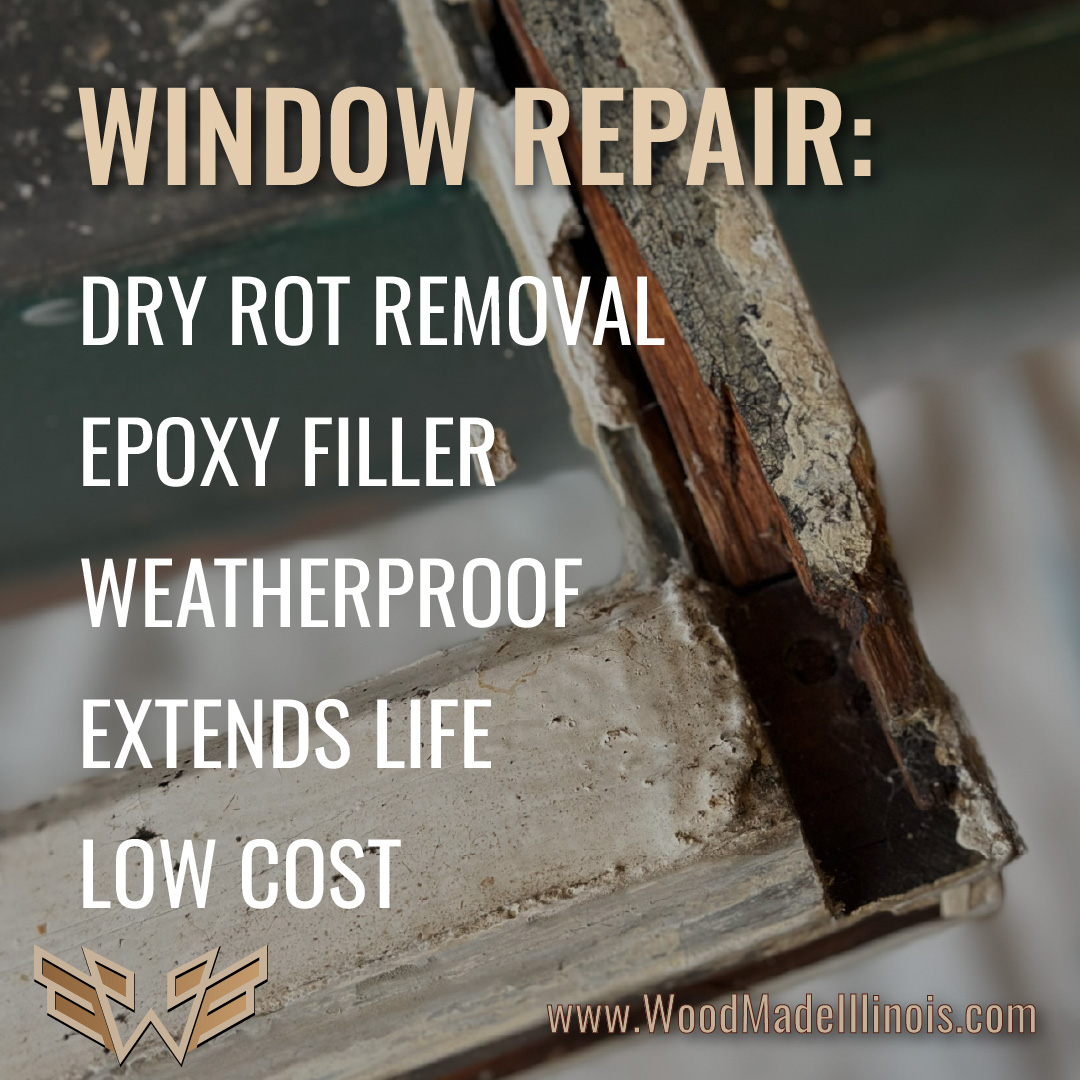
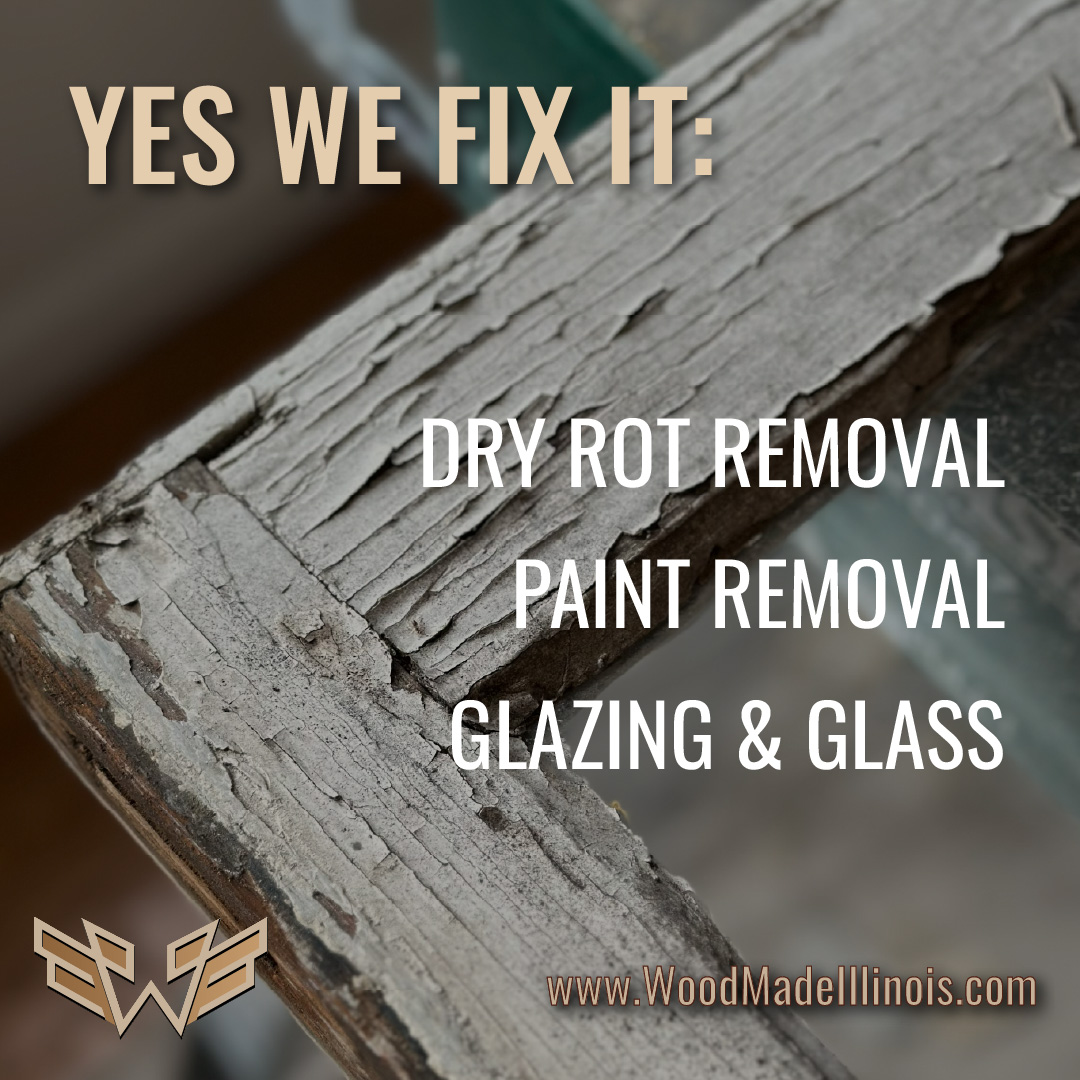
Believe in the craftsmen that made your windows a hundred years ago! Full restoration of a historic match costs at least $5000. Restoration services can be as low as $200