Hardscaping forms the structural backbone of any successful landscape design. While softscaping (plants, trees, and shrubs) provides the living color and texture, hardscaping refers to the non-living, solid elements that define the space, manage traffic, and solve structural challenges like erosion or slope retention.
Hardscaping landscape design
Hardscape elements serve both functional and aesthetic purposes, transforming raw outdoor space into usable “rooms.”
1. Defining Traffic Flow and Layout
Walkways and Paths: Used to guide movement logically through a property. They can be formal and straight (using geometric pavers) or informal and winding (using flagstone or stepping stones) to set the mood of the garden.
Driveways and Entryways: High-load structural zones that define the primary approach to a home, often utilizing heavy-duty pavers, poured concrete, or cobblestone.
Courtyards and Patios: Serving as outdoor living rooms, these flat paved areas act as the central hub for dining, entertaining, and relaxation.
2. Managing Grade and Erosion
Retaining Walls: Crucial for sloped properties. They hold back soil, prevent erosion, and carve out terraced, flat areas from hilltops that would otherwise be unusable.
Freestanding Walls: Used to define boundaries, create perimeter seating, or section off different “zones” within a yard without blocking views.
Steps and Staircases: Safely bridge transitions between different elevations or terraced levels.
3. Creating Functional Living Zones
Outdoor Kitchens and Bar Areas: Built-in stone or brick structures that house grills, refrigerators, and countertops.
Fire Features: Fire pits (sunken or raised) and outdoor fireplaces that extend the usability of the outdoor space into late evening and colder seasons.
Water Features: Built-in ponds, fountains, waterfalls, and pool surrounds that introduce sound, movement, and structural focal points.
4. Vertical Accents and Overhead Structures
Pergolas, Gazebos, and Pavilions: While often categorized as carpentry, their structural footings, stone pillars, and anchored bases tie directly into hardscape engineering to provide shade and vertical interest.
Planter Boxes: Permanent, raised masonry or concrete boxes that bring plant life to eye level and control soil quality.
Hardscape Building Techniques
Building structures that endure shifting soil, heavy water runoff, and freeze-thaw cycles requires strict adherence to engineering principles.
1. Site Preparation and Excavation
Every durable hardscape relies on what lies beneath it.
Grade Assessment & Layout: Utilizing laser levels, transit levels, and layout strings to establish proper slope. A fundamental rule is sloping surfaces away from structures (typically a minimum 1% to 2% drop, or 1/8 to 1/4 inch per foot).
Excavation: Digging to the correct depth based on the load requirements. A standard pedestrian patio might require digging 7–9 inches deep, while a driveway or retaining wall heel requires significantly deeper excavation.
Soil Subgrade Compaction: Before any material is added, the raw earth must be compacted using a plate compactor or rammer to eliminate air pockets and prevent future settling.
2. Sub-Base and Base Construction
The base layer distributes weight and allows for drainage.
Geotextile Fabric Installation: Laying a woven or non-woven geotextile stabilization fabric over the raw soil. This prevents the stone base from migrating into the dirt below while still allowing water to pass through.
Aggregates (The Sub-Base): Spreading layers of crushed stone (such as 3/4-inch dense-grade aggregate or crushed limestone).
Lift Compaction: The base cannot be dumped and compacted all at once. It must be installed in “lifts” (usually 2 to 3 inches at a time) and thoroughly run over with a mechanical compactor, adding moisture to achieve maximum density.
Bedding Layer: For pavers or flagstone, a thin, uncompacted 1-inch layer of washed sharp sand or open-graded fine stone (like #8 aggregate) is screeded flat to bed the final surface units.
3. Edging and Restraint Techniques
Without lateral restraint, paving units will migrate outward over time due to foot traffic and shifting soil.
Snap-Edge/Plastic Restraints: Heavy-duty spikes driven through PVC or aluminum edging into the aggregate base along the perimeter.
Concrete Toe (Masonry Restraint): Pouring a hidden wedge of concrete along the outer perimeter of pavers or stones to lock them in place.
4. Masonry and Segmental Wall Techniques
Building vertically requires specialized techniques to handle lateral earth pressure.
Dry-Stacking (Segmental Retaining Walls): Utilizing interlocking manufactured concrete blocks. They rely on gravity, a backwards batter (leaning slightly back into the slope), and pinning mechanisms.
Mortared Masonry: Laying brick, natural stone, or concrete blocks (CMU) bound together with structural mortar. This requires a poured concrete footing below the local frost line to prevent cracking.
Geogrid Reinforcement: For walls over 3–4 feet tall, synthetic grid sheets are sandwiched between block layers and extended back into the backfill soil to tie the wall and the hillside together.
Backfilling and Drainage: Placing a column of clean, angular drainage stone directly behind walls, wrapped in filter fabric, accompanied by a perforated drain tile (weep holes or French drains) to relieve hydrostatic water pressure.
5. Jointing and Finishing
The final steps seal the system against elements and weeds.
Polymeric Sand: Swept into paver joints, misted with water, and allowed to cure. The polymers bind the sand grains together, remaining flexible while resisting weed growth and ant infestations.
Mortar Jointing (Pointing): Filling the gaps between wet-laid natural stone or brick with specialized joint mortar or grout, finished with a jointing tool for a clean concave or flat profile.
Sealing: Applying breathable, UV-resistant acrylic or polyurethane sealers to protect stone or concrete from oil stains, salt damage, and color fading.
Are you planning out a specific hardscaping project right now, or are you looking into the engineering requirements for a particular type of structure like a retaining wall or a patio?

Site Prep, Layout & Excavation
- Laser & Transit Leveling
- Subgrade Excavation
- Mechanical Soil Compaction
- Geotextile Subgrade Stabilization
- Utility Subsurface Sleeving
Water Management & Drainage Engineering
- Surface Pitch & Fall Alignment
- Hydrostatic Pressure Relief
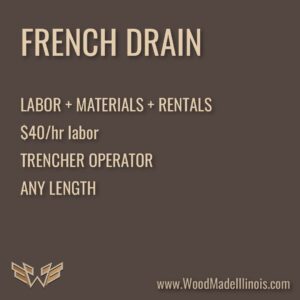
- French Drain & Catch Basin Installation
- Swale & Berm Grading
- Weep Hole Integration
- Base & Foundation Preparation
Aggregate Lift Compaction - Open-Graded Base System Prep
- Aggregate Base Moisture Conditioning
- Concrete Footer Pouring & Rebar Reinforcement
- Screeding the Bedding Layer
Paving, Flatwork & Edging
- Paver Pattern Layout & Interlock Alignment
- Natural Stone Flagstone Chiseling & Shimming
- Mechanical Edge Restraint Spiking
- Concrete Toe Troweling
- Joint Alignment Striking
Vertical Structures & Retaining Systems
- Segmental Wall Block Battering
- Geogrid Soil Reinforcement Layering
- Clean Stone Wall Backfilling
- Core-Filling Masonry Units
- Wall Coping & Cap Adhesive Bonding
- Step Tread Plumb & Level Setting
- Joint Stabilization & Finishing
Polymeric Sand Sweeping & Consolidation - Joint Poly Activation Misting
- Mortar Joint Bag Pointing & Tooling
- Efflorescence Chemical Cleansing
- Penetrating Vapor-Permeable Sealer Application