When a tree comes down on your house, two jobs begin at once: the insurance claim and the building repair. Standard homeowners policies generally pay to repair a home when a covered event such as wind, ice or lightning brings a tree down onto it, and the claim moves fastest when you document the damage first and line up a carpenter who can scope the repair in writing. In Central Illinois, that is the work our team does through our Storm Damaged Building Repair service.
This guide walks through what the policy usually covers, what is capped, what to photograph, how to deal with the adjuster, and how to turn an approved claim into a finished repair.
TL;DR
- Tree damage to your home is generally covered when the fall is sudden and caused by a covered peril such as wind, hail, lightning, or the weight of ice or snow.
- Removal of the tree itself is usually capped at a small amount, often about $500 to $1,000 per event, unless the tree hit a covered structure.
- Photograph everything before you touch it, make only temporary repairs, and keep every receipt.
- Get a written, itemized repair bid and compare it to the adjuster’s scope before permanent work begins.
- A tree that fell because of known rot or neglect can lead to a denied claim, so condition matters.
Table of Contents
- What a fallen-tree claim usually pays for
- Why the cause and the property line matter
- Costs that carry limits
- What to do in the first 48 hours
- Working with the adjuster
- Turning the claim into a finished repair
- Our approach to storm-damaged homes
- Our view on tree damage and repair
- Frequently asked questions
- Sources
What a fallen-tree claim usually pays for
In most cases, standard homeowners insurance covers damage from a fallen tree or large branch when the fall is sudden and accidental and a covered peril caused it. The Iowa Insurance Division’s August 2025 consumer guide on tree damage says a covered claim may pay for structural repairs to the home or another covered building, and for temporary living expenses if the home becomes uninhabitable. The Connecticut Insurance Department says the same about tree damage to the insured’s own home when a covered peril is the cause.
The wording differs by insurer, so your own policy decides. The Texas Department of Insurance notes that many policies cover damage from falling objects such as trees, and tells homeowners to check their policy or ask the insurer.
Which part of your property is which
Policies split a property into parts, and the part the tree hits changes the limit that applies. The National Association of Insurance Commissioners (NAIC), the body of state insurance regulators, explains that dwelling coverage applies to the house and attached structures, while other-structures coverage applies to items such as fences, sheds and freestanding garages. A tree through your roof and a tree through your detached garage are therefore paid from different parts of the policy.
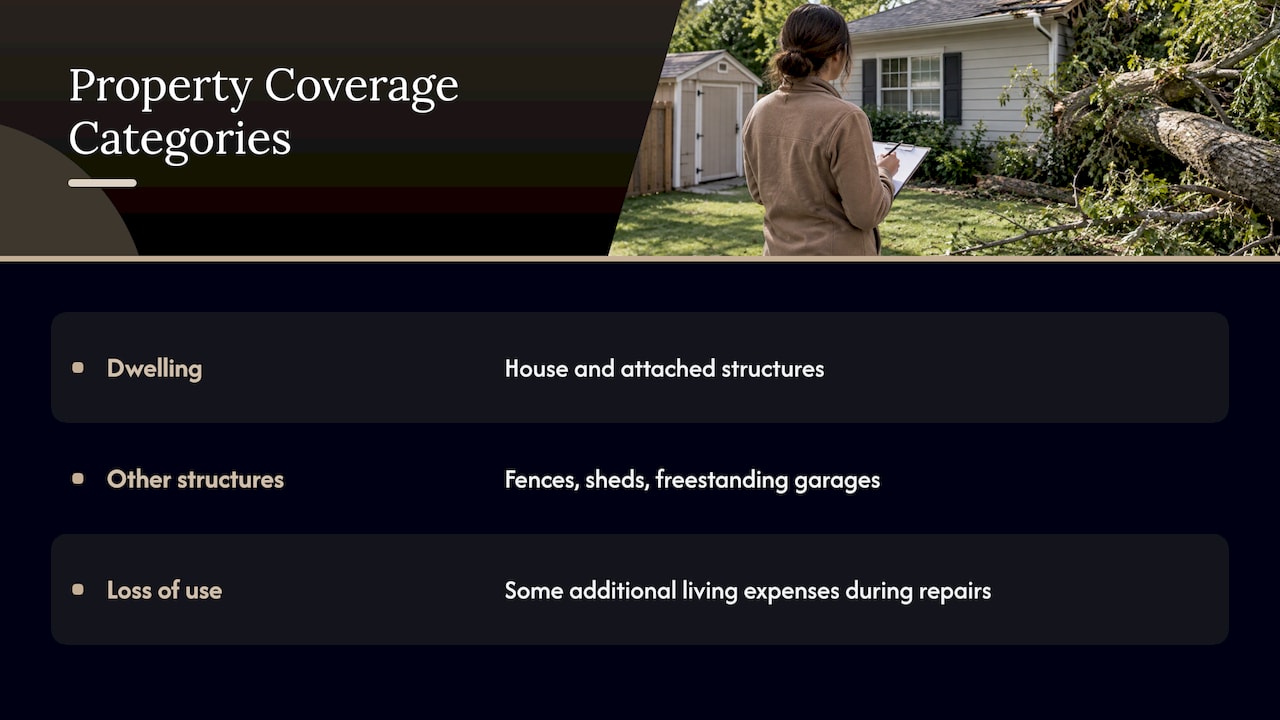
The same guide describes loss-of-use coverage, which pays some additional living expenses while a covered home is being repaired, subject to the policy’s terms. If a tree opens your roof and the house is unfit to sleep in, ask your insurer about it at the first call.
What building damage looks like after a tree strike
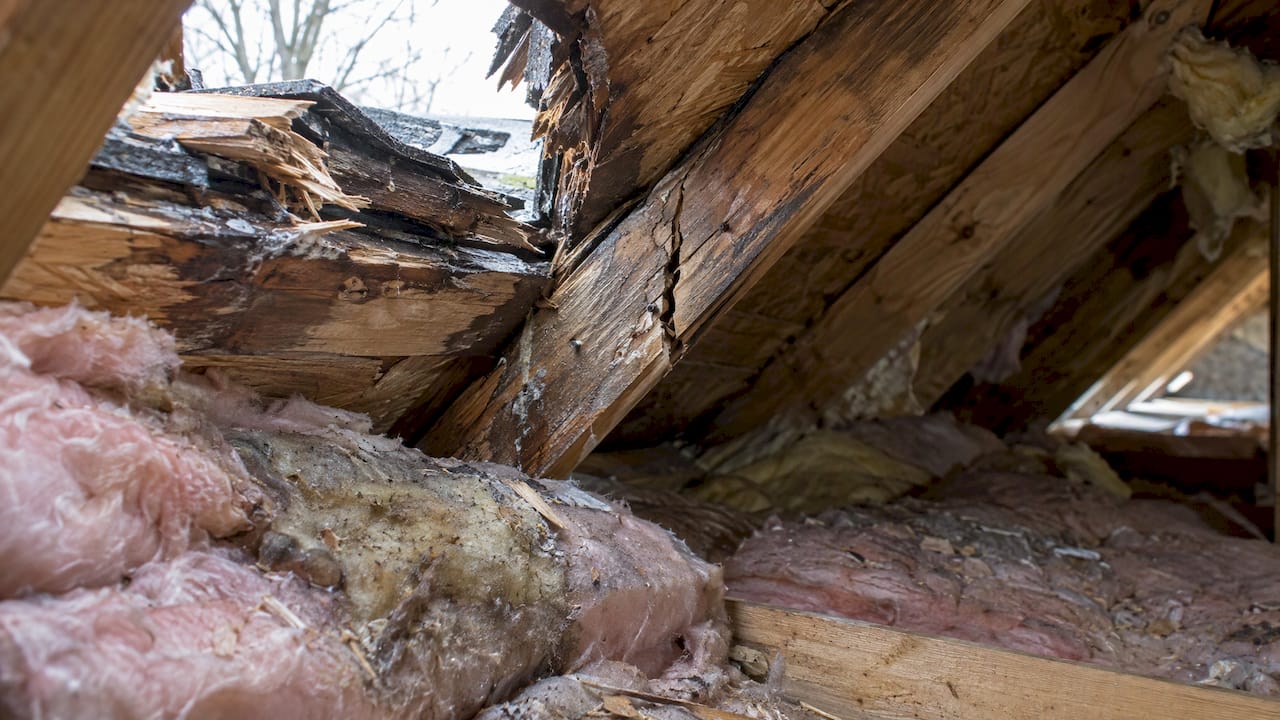
The visible damage is a hole in the roof or a crushed porch. The less visible damage is what drives repair cost: wet insulation, cracked rafters, shifted wall framing, broken window units, and interior finishes that have taken on water. The California Department of Insurance’s residential claims guide tells homeowners to list structural damage such as wall cracks, floor or ceiling damage and missing roofing for the adjuster. Walk the house room by room, including the attic, and write down everything you see.
Why the cause and the property line matter
Coverage depends on whether a covered peril caused the fall and the damage. The Iowa guide notes that your own policy may cover a neighbor’s tree that damages your home, while a neighbor can be liable if neglect or poor maintenance contributed to the fall.
Maryland’s Insurance Administration likewise says many policies cover damage to a home and its contents when a tree, even a neighbor’s tree, falls on the home or another insured structure, subject to terms and limits. In Connecticut, a tree owner’s liability to a neighbor turns on negligence; without it, the neighbor generally turns to their own property coverage.
The practical rule: you file with your own insurer first. Whether anyone else owes anything is a second question, and your insurer can sort it out with you.
When the tree was already dying
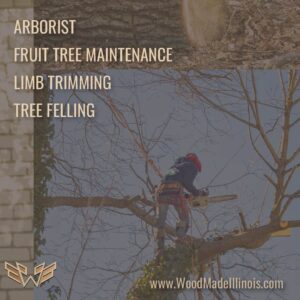
The Iowa Insurance Division says a claim may be denied when a tree fell because of known neglect, disease or rot. If you have a tree on your own lot that looks dead or diseased, having it trimmed or removed is cheaper than any claim. Our Arborist – Tree Trimming Service is listed at $50, and it is worth doing before storm season, not after.
Costs that carry limits
This is where homeowners are surprised. Repairs to the structure are the main benefit, but cleanup and landscaping have much lower caps.
| Cost | What the sources say | Source |
|---|---|---|
| Tree removal when it hits a covered structure | Generally covered but limited, often about $500 to $1,000 per event | Maryland Insurance Administration |
| Tree removal in Connecticut’s guide | Generally up to $500 when it damages a covered structure or blocks a driveway | Connecticut Insurance Department |
| Tree that hits nothing insured | Removal generally not covered, though a blocked driveway or accessibility ramp may qualify under some policies | Insurance Information Institute |
| The trees and shrubs themselves | Often limited to 5% of dwelling coverage and $500 per item, sometimes $250 | California Department of Insurance |
| Additional living expenses | May be covered if the loss makes the home unfit, subject to limits | Travelers |
The removal limit is usually per event, not per tree, according to Maryland’s guidance. Confirm the exact amount in your own policy’s declarations pages or ask your insurer.
One budgeting point follows from this. The building repair, not the tree removal, is where your claim money goes. Get the repair scoped well, because that is the number that matters.
What to do in the first 48 hours
- Stay safe. Keep away from downed power lines and from any part of the structure that looks unstable. The Iowa guide puts safety ahead of everything else.
- Photograph and video the damage before anything is moved. The Texas Department of Insurance advises taking photos first, and not making permanent repairs before talking to the insurer.
- Call your insurer promptly. The Washington Office of the Insurance Commissioner advises prompt notice, photos, safe steps to prevent further damage and saved receipts. Ask what forms and documents the insurer needs.
- Protect the house with temporary repairs. A tarp over the roof opening or boards over a broken window is reasonable. California’s guide says reasonable temporary-protection costs may be reimbursed when you keep receipts, but those payments count toward the total loss settlement.
- Keep a log. The NAIC suggests notes and dates of every conversation with the insurer and adjuster.
- Hold off on permanent repairs until the inspection is done and the scope is agreed.
The order matters. A homeowner who removes the damaged rafters before the adjuster sees them has handed the insurer a reason to dispute the claim.
Working with the adjuster
The adjuster inspects the damage and determines payment. California’s guide says a good damage scope assesses the degree of damage, the quality of materials and workmanship, and the measurements needed to calculate quantities. In plain terms, the adjuster’s estimate should read like a builder’s takeoff: square feet of roofing, linear feet of trim, number of windows, and so on.
When you read the adjuster’s estimate, check it for what a tree strike tends to hide:
- Roof decking and framing beneath the shingles, not only the shingles
- Interior ceiling, insulation and wall finishes below the impact point
- Window and door units knocked out of square
- Trim, siding and fascia that must match what is already on the house
- Attached structures such as porches and decks, which fall under dwelling coverage
If the figures look low, the NAIC advises first trying to resolve it with your insurer. It also says that after the inspection you may obtain other independent estimates of the repairs and their cost, and that a contractor may meet the adjuster at the home. California’s guide recommends written, itemized bids from reliable, licensed contractors, with materials and line-by-line prices.
Turning the claim into a finished repair
A claim settles money. It does not rebuild anything. After the scope is agreed, you need a carpenter who can work to it, and in Central Illinois the schedule matters because an open roof gets worse with every rain.
What a good repair bid contains
- Itemized labor and materials, line by line, matching the adjuster’s scope
- A clear split between structural repair, exterior finish and interior finish
- Notes on anything found after demolition that was not visible on day one
- Matching details: the profile of the trim, the species and grade of lumber, the finish
On older homes the matching is the hard part. Historic window sashes, milled casings and plaster-era walls do not come out of a catalog. For wooden windows broken by a limb, our Wooden Window Repair Service page describes that work, and our finish carpentry covers trim that has to blend with what the house already has.
Fences, sheds and walkways
A tree that lands on a fence, shed or detached garage falls under other-structures coverage, with its own limit. Roots lifting a walkway are a different problem from a fall, and are not a storm claim; a guide to tree root sidewalk repair explains the options for that situation.
Our approach to storm-damaged homes
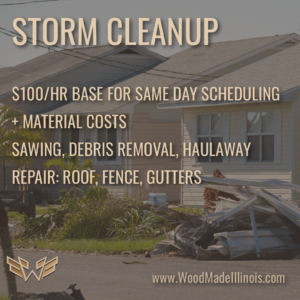
We offer Storm Damaged Building Repair for homes and small businesses in Central Illinois, alongside storm cleanup work in Peoria, such as cutting down limbs with a chainsaw. Our team brings over 100 years of combined carpentry experience, and the same people who frame a built-in or restore a historic window handle the repair of structural and finish carpentry. Repairs are billed per project, and the Storm Damaged Building Repair service has no published price because every tree strike is a different job.
Tell us what the tree hit and we will start the conversation from your photos and the adjuster’s scope. You can reach us through the Wood Made Illinois site.

If the tree took out a section of a kitchen wall or a home office ceiling, the repair is also a chance to rebuild the space with better storage or a better layout. Our Kitchen Renovation and Home Office Renovation services sit under the same roof as the repair work.
Our view on tree damage and repair
A house is a system. The roof sheds water, the framing carries load, and the trim and paint are the skin protecting the bones. When a tree breaks through, the visible hole is rarely the whole story.
We tell homeowners to treat the claim as a marathon, not a sprint. Document first, protect the house with temporary measures, and let the repair be scoped properly before any permanent work. A rushed fix that ignores a cracked rafter or a wet wall cavity costs more later.
Our team’s combined experience in carpentry means we look at the whole path of the tree: from the impact point to the rooms below. We also believe a repair should respect the house. Matching trim profiles, restoring a historic window rather than replacing it, and keeping materials consistent are details that insurance line items do not capture, and they are the ones you live with every day.
For homeowners and small business owners in Central Illinois, we would rather be called early, while the roof is tarped and the photographs are fresh.
Wood
Frequently asked questions
Does homeowners insurance cover a tree falling on my house?
Usually yes, when the fall is sudden and caused by a covered peril such as wind, ice or lightning. Your own policy sets the terms, so ask your insurer to confirm what applies and what your limits are. Known rot or neglect can lead to a denial.
Will my insurance pay to remove the tree?
Often, if the tree damaged a covered structure, but the amount is capped. Maryland’s Insurance Administration says removal benefits are often about $500 to $1,000 per event. If the tree hit nothing insured, removal is generally not covered, with exceptions for a blocked driveway or accessibility ramp under some policies.
My neighbor’s tree fell on my house. Whose insurance pays?
Your own homeowners policy generally responds first. A neighbor may be liable if their negligence, such as ignoring an obviously dead tree, contributed to the fall. Your insurer can advise whether to pursue that.
Should I fix the damage before the adjuster comes?
Only temporary protection, such as a tarp or boards, and only after photographing the damage and saving receipts. Wait for the inspection and agreement before permanent repairs, as the Texas and Washington insurance regulators advise.
Sources
- Iowa Insurance Division: Tree Damage and Insurance
- Connecticut Insurance Department: Homeowners Storm Claims
- Texas Department of Insurance: Homeowners insurance and disaster claims FAQ
- NAIC: A Consumer’s Guide to Home Insurance
- California Department of Insurance: Residential Property Claims Guide
- Maryland Insurance Administration: Fallen Tree
- Insurance Information Institute: If a tree falls on your house, are you covered?
- Travelers: Frequently Asked Questions About Fallen Trees
- Washington Office of the Insurance Commissioner: Winter weather and insurance coverage
- Tree root sidewalk repair guide