Budget-conscious renovation is defined as prioritizing high-impact cosmetic and maintenance updates over expensive structural changes to maximize value per dollar spent. The most effective ways to renovate on a tight budget focus on projects that recoup their cost quickly, avoid hidden expenses behind walls, and build visible improvement without touching the home’s bones. Minor cosmetic improvements routinely recoup 100% to 188% of their cost. That number tells you exactly where to start. This guide walks you through the highest-ROI projects, a phased planning approach, smart DIY strategies, and the mistakes that quietly drain budgets.
Which renovation projects deliver the highest value for the lowest cost?
The best return on investment in home renovation comes from projects that improve appearance without altering structure. Paint, hardware, landscaping, and entry doors consistently outperform gut renovations in cost recovery. A new steel entry door costs $2,000–$2,500 and delivers a 188% ROI. That is not a typo. No kitchen remodel comes close.
Landscaping is equally powerful and underused. A well-maintained front yard can increase home value by 5%–12%. That translates to real dollars on a modest home without a single permit or contractor. Curb appeal is the first impression a home makes, and buyers and renters respond to it emotionally before they ever step inside.
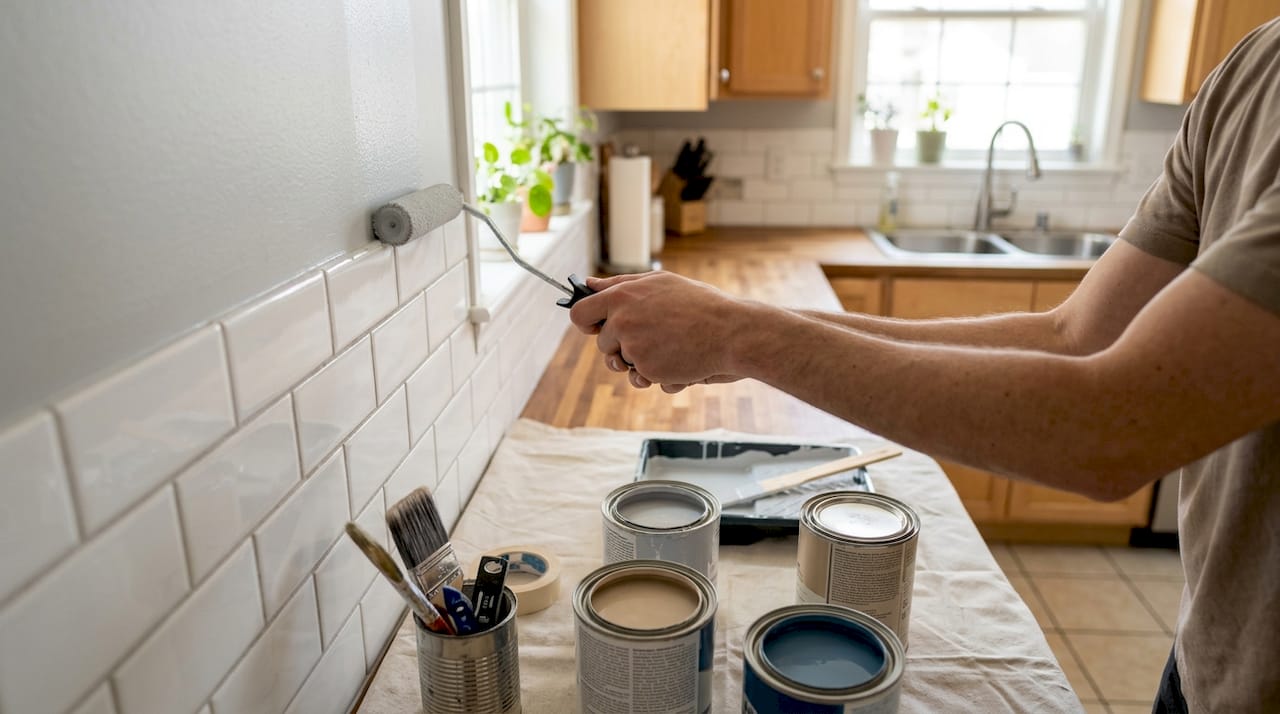
Kitchen and bathroom refreshes rank just below curb appeal in cost-effectiveness. The key word is refresh, not remodel. Replacing cabinet hardware, repainting cabinet faces, swapping out a faucet, and installing a new light fixture can transform a kitchen for under $500. DIY cabinet painting costs roughly $80 in materials and creates a perceived value increase of around $5,000. That ratio is hard to beat anywhere in home improvement.
Major gut renovations, by contrast, rarely recoup their full cost. Renovation spending should not exceed 30% of the home’s total value if you want a positive return on resale. Exceeding that threshold means you are improving the home for your own enjoyment, which is fine, but you should go in with clear eyes about the financial reality.
| Project | Estimated Cost | Approximate ROI |
|---|---|---|
| Steel entry door replacement | $2,000–$2,500 | 188% |
| Landscaping and curb appeal | $500–$3,000 | 100%–150% |
| Interior painting (DIY) | $80–$300 per room | High |
| Cabinet painting (DIY) | ~$80 materials | Very high perceived value |
| Minor kitchen hardware swap | $100–$400 | Strong visual impact |
| Full kitchen gut remodel | $25,000–$60,000 | 60%–80% |
Pro Tip: Focus your first $1,000 on paint, hardware, and the front entry. These three areas deliver the most visible change per dollar and require no permits.
How to plan your renovation phases to stretch your budget effectively
Phased renovation is the professional term for tackling a home in a deliberate sequence rather than all at once. The sequence matters as much as the budget. Experts recommend fixing leaks, electrical issues, and structural problems before any cosmetic work begins. Painting over a water-stained ceiling before fixing the leak above it is money wasted twice.
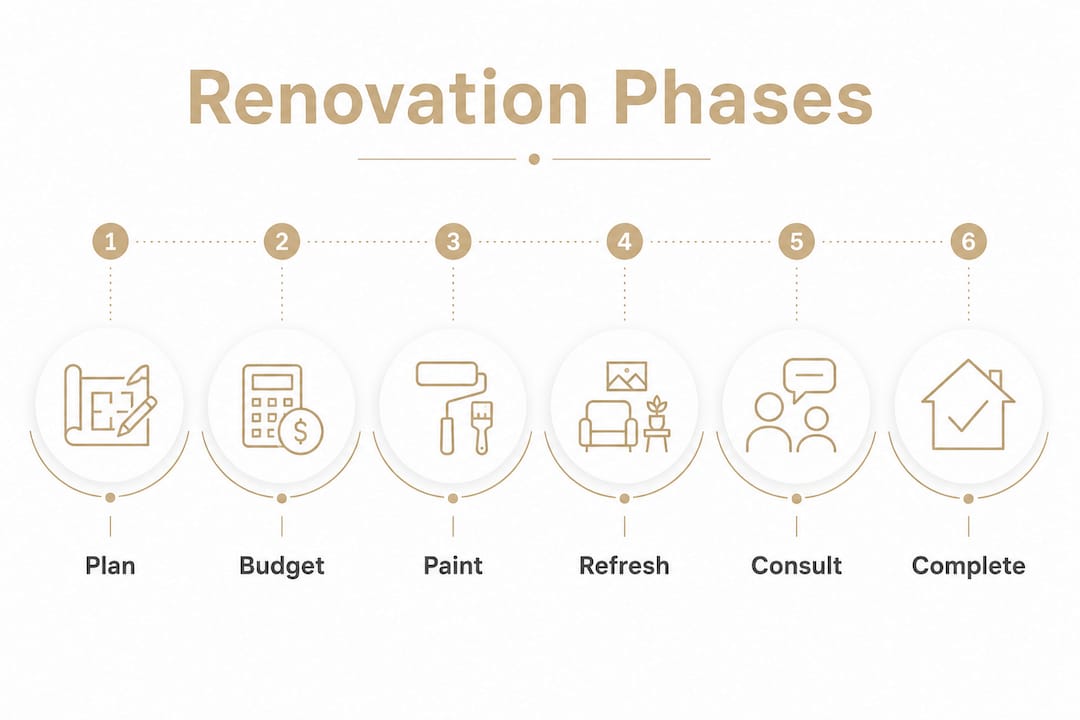
The correct order follows a top-down, inside-out logic. Fix the roof and structure first. Address mechanical systems like plumbing and electrical second. Then move to insulation and windows. Cosmetic upgrades, including paint, flooring, and fixtures, come last. Painting should be the final step in any renovation sequence to avoid damage during earlier construction phases.
Budget planning must include a contingency fund. Renovation budgets exceed initial estimates by 20%–30% on average due to hidden costs like structural repairs and permit fees. Setting aside 15%–20% of your total budget as a contingency is not pessimism. It is the difference between finishing the project and stopping halfway through.
- Phase 1: Safety and structure. Address roof leaks, foundation cracks, faulty wiring, and plumbing failures. These are not optional.
- Phase 2: Efficiency upgrades. Improve insulation, seal drafts, and replace inefficient windows or HVAC components. These reduce ongoing costs.
- Phase 3: Cosmetic improvements. Paint walls and cabinets, replace hardware, update lighting, and refresh flooring. This is where the visual transformation happens.
- Phase 4: Finishing details. Install trim, update fixtures, and add landscaping. These complete the picture without breaking the bank.
Single-room renovations on a tight budget typically run $3,000–$10,000, while whole-house updates range from $15,000 to $50,000 or more. Phasing your work across months or years keeps cash flow manageable and lets you adjust plans as you learn more about your home.
Pro Tip: Before starting Phase 3, walk every room with a contractor for a one-hour paid consultation. Identifying hidden problems early costs far less than discovering them mid-project.
What are the most cost-effective DIY renovation strategies?
Labor costs consume 50%–60% of most renovation budgets. Tackling appropriate tasks yourself cuts that figure significantly. The key word is “appropriate.” Not every task belongs on the DIY list, and misjudging that line creates expensive repairs.
These tasks are well-suited for confident DIYers:
- Painting walls and ceilings. Proper prep, including sanding, priming, and taping, determines the final result. Rush the prep and the paint shows it.
- Cabinet painting. This is one of the highest-ROI DIY projects available. Woodmadeillinois offers professional cabinet painting for homeowners who want a flawless finish without full replacement.
- Hardware replacement. Swapping cabinet pulls, door handles, and light switch plates takes an afternoon and costs under $200 for a full kitchen.
- Caulking and weatherstripping. These small repairs prevent moisture damage and improve energy efficiency at minimal cost.
- Minor landscaping. Mulching beds, planting perennials, and trimming overgrowth require only time and basic tools.
- LED lighting upgrades. Consistent LED color temperatures in the 3000K–4000K range make spaces feel modern and inviting at very low cost.
Electrical work, plumbing rerouting, and structural changes belong with licensed professionals. Attempting these without proper training creates safety hazards and code violations that cost far more to fix than the original professional quote.
| DIY Task | Approximate Material Cost | Skill Level |
|---|---|---|
| Interior wall painting | $80–$200 per room | Beginner |
| Cabinet painting | ~$80 | Intermediate |
| Hardware replacement | $100–$400 | Beginner |
| Caulking and sealing | $20–$60 | Beginner |
| LED lighting swap | $50–$150 | Beginner |
| Landscaping and mulching | $100–$500 | Beginner |
Pro Tip: Rent tools rather than buying them for one-time tasks. A paint sprayer rental runs about $50 per day and produces a far smoother finish than a roller on cabinet doors.
How to avoid common budget renovation mistakes that inflate costs
The most expensive renovation mistake is moving things. Moving plumbing, walls, or electrical outlets can consume 30%–50% of a renovation budget before a single visible change appears. Keeping the existing layout and working within it is the single most powerful cost-control decision you can make on a tight budget.
Contractor selection is the second major risk area. Getting at least three competitive bids is standard practice. A quote more than 20% below competitors is a warning sign, not a bargain. Contractors who underbid typically cut corners on materials, skip permits, or walk off the job when the work becomes unprofitable.
Hidden costs catch homeowners off guard more than any other budget issue. Permit fees, temporary housing during major work, disposal costs, and unexpected structural repairs all add up fast. Document every scope item in writing before work begins. Verbal agreements evaporate when disputes arise.
“Scope creep is the silent budget killer. Every ‘while we’re at it’ decision adds cost and time. Decide what you want before the first nail goes in, write it down, and hold the line.”
- Get three written bids for any job over $1,000.
- Confirm permit requirements with your local building department before signing a contract.
- Define the full scope in writing, including materials, finishes, and cleanup.
- Set a hard stop on changes once work begins unless safety requires it.
- Review the common renovation mistakes that consistently derail budgets before hiring anyone.
Pro Tip: Directly hiring specialized tradespeople for discrete tasks can save 15%–20% compared to routing everything through a general contractor’s markup.
Key Takeaways
The most reliable way to renovate affordably is to sequence work correctly, focus spending on high-ROI cosmetic upgrades, and protect your budget with a 15%–20% contingency fund before any work begins.
| Point | Details |
|---|---|
| Prioritize cosmetic over structural | Paint, hardware, and entry doors recoup 100%–188% of cost with no permits required. |
| Follow the correct sequence | Fix structural and mechanical issues before any cosmetic work to avoid redoing finished surfaces. |
| Budget a contingency fund | Set aside 15%–20% above your estimate to cover hidden costs and structural surprises. |
| Keep the existing layout | Moving plumbing or walls consumes 30%–50% of budget before any visible improvement appears. |
| DIY the right tasks | Labor is 50%–60% of most budgets; painting, hardware, and caulking are safe, high-value DIY projects. |
What I’ve learned from years of watching budgets go sideways
After working on hundreds of spaces across Central Illinois, the pattern is always the same. Homeowners who plan in phases and resist the urge to move walls finish their projects on budget. Homeowners who start with a vision of an open-concept kitchen and a $15,000 budget end up with a half-finished room and a contractor dispute.
The renovation that holds up best over time is the one that respects the home’s existing structure. Paint is the skin protecting the bones of a house. When you change the bones on a tight budget, you almost always compromise something, whether that is quality, safety, or the finish work that makes a space feel complete.
I have seen clients spend $80 on cabinet paint and walk away with a kitchen that looked like a $5,000 upgrade. I have also seen clients spend $30,000 moving a kitchen wall and end up with a space that felt no more functional than before. The difference was not money. It was discipline.
The affordable renovation approach that works is incremental. Do the high-ROI work first. Live in the space. Let the next phase reveal itself naturally. Renovation is a marathon, not a sprint, and the homeowners who treat it that way end up with homes they are genuinely proud of.
— Wood
Woodmadeillinois can help you get more from every renovation dollar
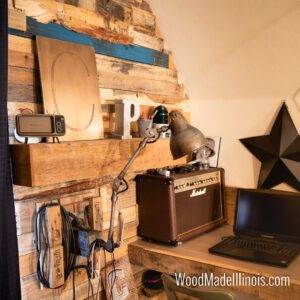
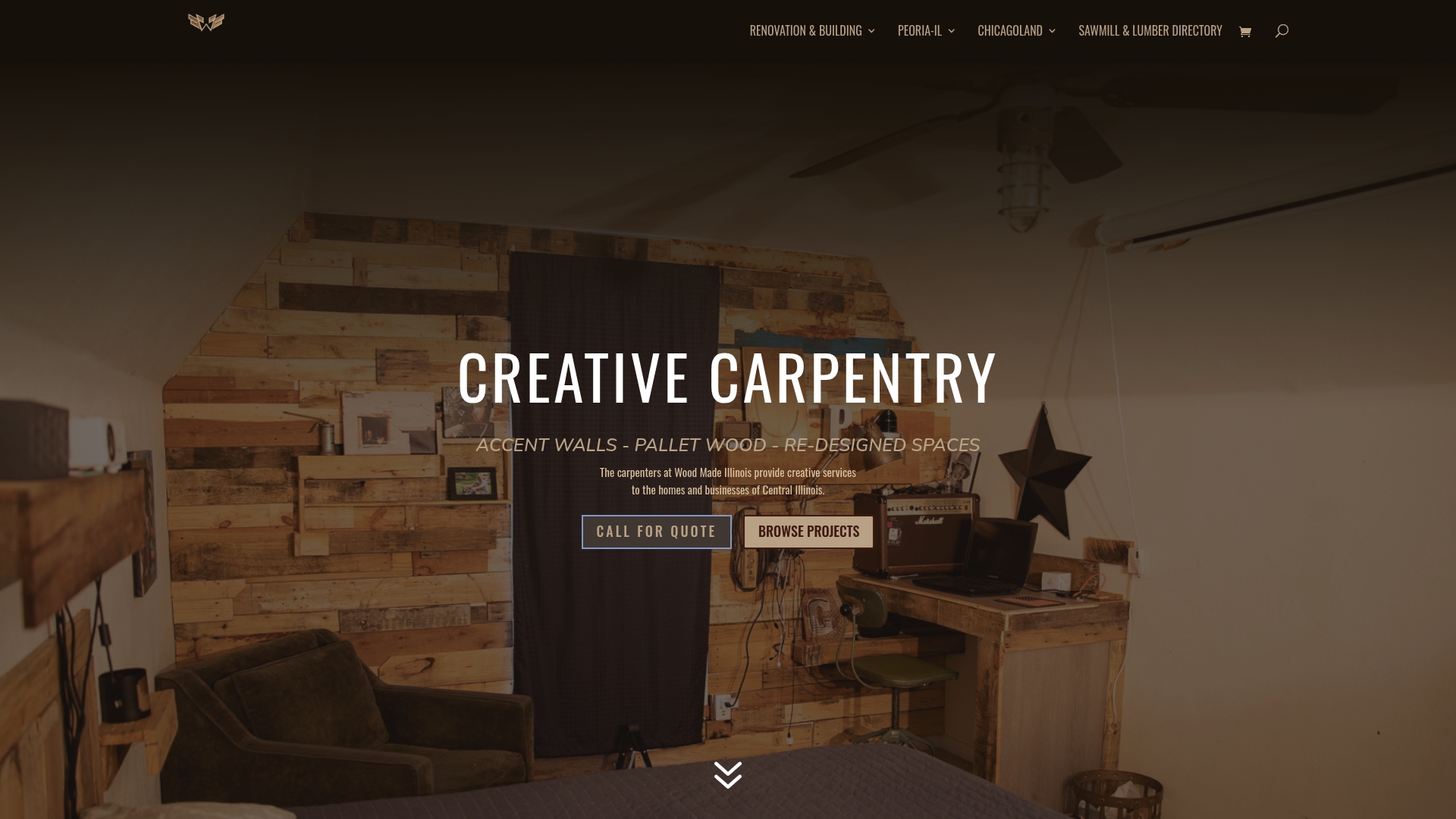
Woodmadeillinois brings over 100 years of combined carpentry experience to budget-conscious homeowners across Central Illinois. The team specializes in high-impact, low-disruption upgrades like custom cabinet installations, pallet wood accent walls, and built-in storage solutions that add character without requiring structural changes.
Whether you need a single room refreshed or a phased whole-home plan, Woodmadeillinois delivers custom carpentry solutions tailored to your budget and timeline. Every project starts with a personalized design consultation so you know exactly what you are getting before work begins. Reach out to the Peoria IL carpentry team at 309.704.0132 to discuss your next project.
FAQ
What renovation projects have the best ROI on a small budget?
Steel entry door replacement, interior painting, and landscaping consistently deliver the highest returns, with some projects recouping over 100% of their cost. Cabinet painting is the single highest-ROI DIY project, with roughly $80 in materials creating thousands in perceived value.
How much contingency should I budget for a home renovation?
Budget 15%–20% above your initial estimate as a contingency fund. Renovation projects exceed their original estimates by 20%–30% on average due to hidden structural issues and permit fees.
What renovation tasks can I safely do myself?
Painting walls and cabinets, swapping hardware, caulking, replacing light fixtures, and basic landscaping are all safe DIY tasks. Electrical work, plumbing rerouting, and structural changes require licensed professionals.
Why should I avoid moving walls or plumbing on a tight budget?
Moving plumbing, walls, or electrical outlets can consume 30%–50% of your total renovation budget before any visible improvement appears. Keeping the existing layout is the most effective single decision for controlling costs.
How do I avoid overpaying for renovation contractors?
Get at least three written bids for any job over $1,000. A quote more than 20% below the other bids signals corner-cutting, not a bargain. Always confirm the full scope, materials, and permit responsibilities in writing before signing.