A renovation priority list is defined as a strategic sequence that orders home improvement projects by structural necessity before aesthetics, using a four-tier function-first framework. Without this sequence, homeowners routinely install luxury finishes over failing foundations, then tear everything out to fix what should have come first. The cost of that mistake is not just financial. It erodes trust in the project, strains budgets, and delays the livable result you actually want. A well-built renovation planning guide treats your home the way a doctor treats a patient: diagnose the structural condition first, then address comfort and appearance. Woodmadeillinois has seen this play out across Central Illinois for decades, and the pattern is consistent. Prioritization is not optional. It is the foundation of every successful remodel.
What is a renovation priority list and why does tier order matter?
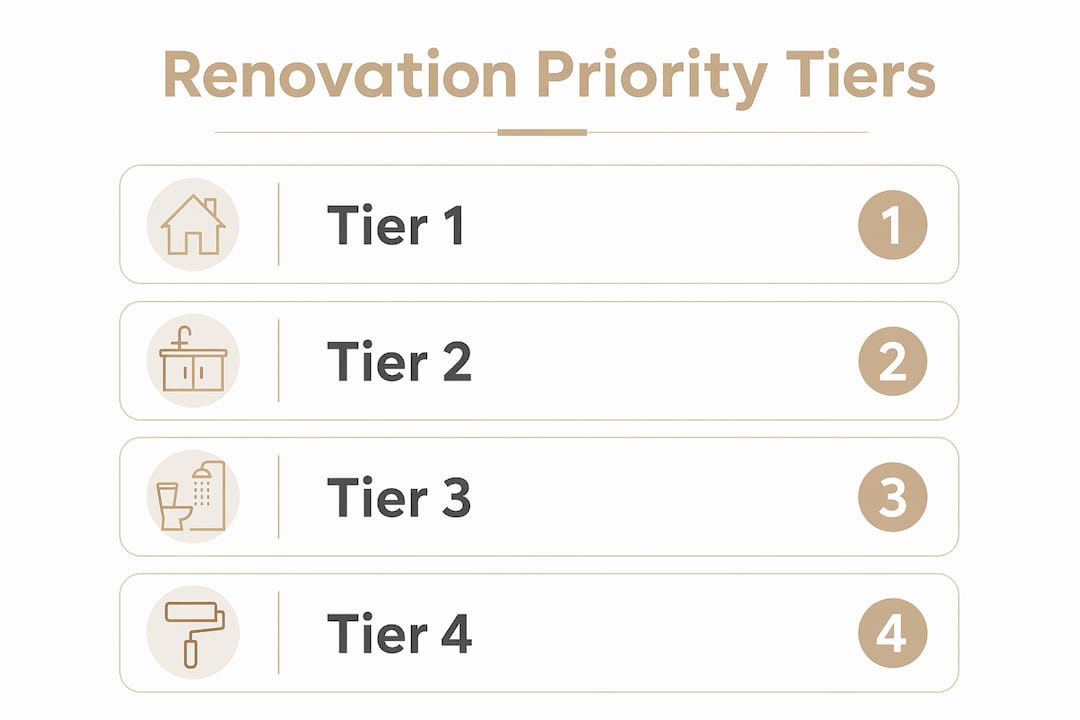
A renovation priority list organizes every project into four tiers, and the four-tier function-first framework is the industry standard for avoiding costly rework. Each tier must be substantially complete before the next begins. Skipping ahead is the single most common and expensive mistake homeowners make.
| Tier | Category | Typical Projects | Why It Comes First |
|---|---|---|---|
| 1 | Safety and structure | Foundation, roof, electrical wiring | Failure here makes everything else worthless |
| 2 | Major systems | HVAC, plumbing, insulation | Systems run through walls; install before closing them up |
| 3 | Functional rooms | Kitchen, bathrooms | Usability drives daily quality of life |
| 4 | Cosmetic finishes | Paint, flooring, fixtures | Finishes are the last layer, not the first |
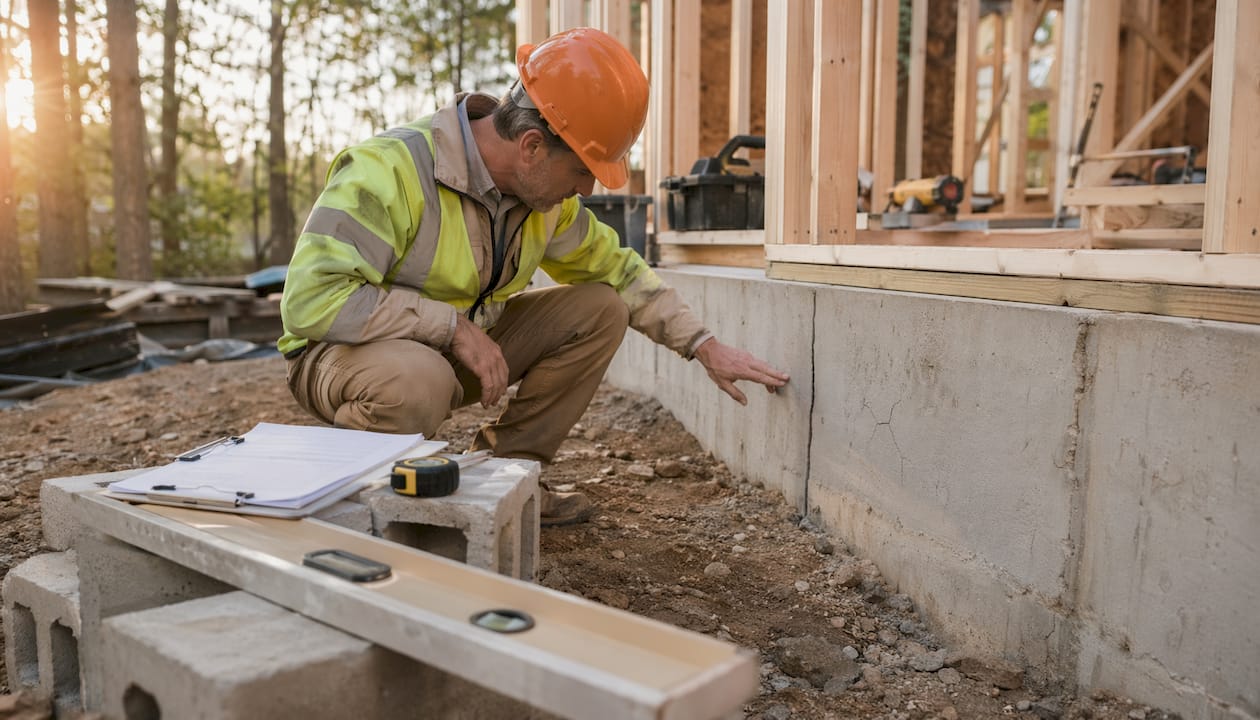
Tier 1 covers foundation cracks, roof integrity, and outdated wiring. These are not upgrades. They are the bones and nervous system of the house. A space with durable materials and fully functional systems outperforms luxury finishes on a compromised foundation every time. Addressing Tier 1 first also protects every dollar spent afterward.
Tier 2 covers the mechanical systems that run inside your walls: HVAC ductwork, supply and drain lines, and insulation. Running electrical, plumbing, and HVAC lines during structural work saves 60–70% on labor compared to retrofitting after walls are closed. That figure alone justifies the entire priority framework.
Tier 3 addresses the rooms your household uses most. Kitchens and bathrooms carry the highest return on investment and the most complex trade coordination. Cabinet replacement, for example, should follow confirmed plumbing rough-in, not precede it. Woodmadeillinois handles cabinet replacement after systems are confirmed, which is the correct sequence.
Tier 4 is where most homeowners want to start. Paint colors, flooring selections, and decorative fixtures are exciting. They are also the last layer of the house, not the first. Applying Tier 4 finishes before Tier 1 and Tier 2 work is complete guarantees you will damage or remove them during later repairs.
Pro Tip: Before signing any contractor agreement, ask specifically which tier their scope covers. A contractor who cannot name the tier is not working from a priority list.
How to plan and schedule a renovation using a priority list
Comprehensive home renovations span 18–24 months from design kickoff to final punch list. That timeline surprises most homeowners who expect a few months of construction. The reality is that pre-construction phases consume more calendar time than the build itself.
A reliable renovation schedule follows this sequence:
- Home inspection and scope definition. Commission a licensed inspector before any design work begins. The inspection report becomes the source document for your Tier 1 list.
- Design phase (2–4 months). Finalize floor plans, material selections, and structural changes. Freeze the design before demolition starts. Poor scope definition is the leading cause of budget overruns and schedule failures.
- Permit approval (4–6 weeks). Structural, electrical, and plumbing work requires permits in virtually every jurisdiction. Apply early. Permit delays are the most common cause of contractor downtime.
- Contractor selection and material procurement (2–6 weeks). Select trades after design is frozen, not before. Procurement lead times for custom cabinetry, windows, and specialty materials can extend this phase significantly.
- Construction phase (6 weeks to 12 months). Work proceeds tier by tier. Tier 1 structural work opens walls, which is the ideal moment to run Tier 2 mechanical systems simultaneously.
- Punch list and final inspections. Withhold final payment until punch lists are complete, inspections are passed, and lien waivers are signed. This is your primary financial protection at project close.
Pro Tip: Add a 10% time buffer to every phase estimate. Permit offices, material suppliers, and subcontractors all operate on their own schedules. Build that reality into your plan from day one.
The most damaging scheduling mistake is starting demolition before design is frozen. Once walls are open, scope creep accelerates and costs compound daily. Treat the design freeze as a hard deadline, not a suggestion.
How does budgeting work within a renovation priority list?
Renovation budgets should carry a 10–20% contingency for hidden conditions, and total project costs should ideally stay at or below 30% of the home’s current market value. These are not conservative estimates. They reflect what experienced project managers build into every contract.
Labor accounts for approximately two-thirds of total renovation costs. That ratio matters because it explains why sequencing saves money. Every time a trade returns to a completed area to retrofit a system, you pay full mobilization costs again. Phasing renovation over multiple years can reduce financing pressure but increases total project costs by 5–15% due to repeated mobilization and material inflation. That trade-off deserves careful thought before committing to a multi-year plan.
Budgeting best practices for a priority-based remodel:
- Allocate Tier 1 and Tier 2 funds first. These are non-negotiable. If the budget cannot cover structural and systems work, cosmetic phases must wait.
- Use the inspection report as your budget anchor. Every line item in the report that affects safety or systems belongs in Tier 1 or Tier 2 funding.
- Set a hard ceiling at 30% of home value. Spending beyond that threshold rarely returns full equity at resale.
- Protect the contingency fund. Do not treat the 10–20% contingency as available budget. It exists for conditions discovered after demolition begins, and those conditions are almost always present.
- Tie payments to milestones. A milestone-based payment schedule tied to inspections gives you financial leverage throughout the project.
Homeowners who skip the contingency fund and spend to their full budget on finishes are the ones who call for emergency loans when a hidden plumbing failure surfaces behind a newly tiled wall. The common renovation mistakes that drain budgets fastest are almost always sequencing errors, not contractor failures.
Pro Tip: Get three itemized bids for every major trade. Compare line items, not totals. A low total bid with missing line items will cost more than a higher bid that covers the full scope.
How do you build your own renovation priority list?
Building your own remodeling project priorities starts with a single document: the home inspection report. Every finding in that report maps directly to a tier. Structural and safety findings go to Tier 1. Mechanical system findings go to Tier 2. Everything else follows.
Use these steps to build and apply your list:
- Categorize every project as urgent, necessary, or optional. Urgent items are safety risks or active failures. Necessary items affect function. Optional items are cosmetic preferences.
- Assign each project to a tier. If a project cannot be clearly assigned, it belongs in the tier above where you placed it. When in doubt, prioritize earlier.
- Freeze scope before demolition. Add a written scope freeze date to your project calendar. Changes after demolition begins cost two to three times more than changes made during design.
- Use the list to negotiate with contractors. A written priority list tells every trade exactly what phase they are entering and what must be complete before their work begins. It reduces disputes and clarifies sequencing expectations.
- Sequence common scenarios correctly. A kitchen remodel, for example, follows this order: confirm structural integrity, rough-in plumbing and electrical, install insulation, hang drywall, then install cabinet replacements and finishes. Reversing any step creates expensive rework.
Homeowners who save money renovating consistently share one habit: they resist the pull of cosmetic upgrades until structural and systems work is confirmed complete. That discipline is not natural. It requires a written list to enforce it.
Key Takeaways
A renovation priority list is the single most effective tool for controlling costs, avoiding rework, and achieving a home that functions well before it looks beautiful.
| Point | Details |
|---|---|
| Tier order is non-negotiable | Safety and structure must be complete before systems, and systems before finishes. |
| Design freeze prevents overruns | Freezing scope before demolition is the most reliable way to stay on budget and schedule. |
| Labor is two-thirds of cost | Sequencing trades correctly during open-wall phases cuts labor costs by up to 70%. |
| Contingency is not optional | Reserve 10–20% of your budget for hidden conditions discovered after demolition begins. |
| Milestone payments protect you | Withhold final payment until inspections pass and punch lists are signed off completely. |
What I have learned from watching homeowners skip the list
After years of working alongside homeowners in Central Illinois, I have watched the same mistake repeat itself with painful consistency. A family falls in love with a kitchen design. They commission the cabinetry, select the tile, and start demolition before anyone has confirmed whether the subfloor is sound or the electrical panel can support the new appliance load. Three weeks in, the contractor opens a wall and finds knob-and-tube wiring. The cabinetry is already on order. The budget is already committed. The result is a project that costs 40% more than planned and takes twice as long.
The renovation priority list is not a bureaucratic exercise. It is the difference between a project that builds equity and one that consumes it. I have seen homeowners treat the list as a suggestion and pay dearly for that choice. I have also seen first-time renovators follow the tier framework precisely and finish on budget with zero redo work.
The hardest part of prioritization is emotional. Cosmetic upgrades are visible and exciting. A new roof or a panel upgrade is invisible and unglamorous. But the house does not care about your excitement. It cares about sequence. The bones must be sound before the skin goes on. That is not a metaphor. It is the literal order of construction.
My advice to any homeowner starting a renovation: print your inspection report, assign every finding to a tier, and do not spend a dollar on Tier 4 until Tier 1 and Tier 2 are signed off by a licensed inspector. That discipline will protect your investment better than any design choice you make.
— Wood
Woodmadeillinois can help you prioritize and execute your renovation
Knowing the right sequence is one thing. Executing it with skilled hands is another. Woodmadeillinois brings over 100 years of combined carpentry experience to renovation projects across Central Illinois, from structural repairs in Tier 1 through finish carpentry in Tier 4.

Whether you need guidance on what to renovate first or you are ready to move into the finish phase, the team at Woodmadeillinois offers personalized consultations that align with your priority list. Their trusted local carpentry experts work within your budget and your sequence, not against it. From custom cabinetry installations to pallet wood accent walls, every project is timed to the correct tier. Reach out to Woodmadeillinois to schedule a consultation and get your renovation moving in the right order.
FAQ
What is a renovation priority list?
A renovation priority list is a strategic sequence that orders home improvement projects by structural necessity before aesthetics, using a four-tier framework: safety and structure, major systems, functional rooms, and cosmetic finishes.
What should you renovate first in a house?
Structural and safety issues come first, including foundation problems, roof repairs, and outdated electrical wiring. Completing these before any cosmetic work prevents expensive rework and protects every dollar spent afterward.
How much contingency should I budget for a renovation?
Renovation budgets should carry a 10–20% contingency for hidden conditions discovered after demolition begins. Total project costs should stay at or below 30% of the home’s current market value to protect equity.
How long does a full home renovation take?
Comprehensive home renovations typically span 18–24 months from design kickoff to final inspection. Design and permit phases alone account for several months before construction begins.
Why does renovation order affect cost so much?
Running plumbing, electrical, and HVAC lines during structural work saves 60–70% on labor compared to retrofitting after walls are closed. Correct sequencing eliminates the need to remove completed work to access systems underneath.