A solid cherry bar top lasts when four things are settled before the first board is cut: the lumber is dry, the top is thick enough for elbows and glassware, the top is fastened so it can move with the seasons, and the finish can take spilled spirits. Illinois swings from humid summers to dry, heated winters, so the second and third points matter more here than in a mild climate. If you want a cherry bar built to last in Central Illinois, Wood Made Illinois designs and installs solid wood bars for homes and small businesses.
This guide explains what a good cherry bar top involves, so you can judge a design, a quote and a finished top with confidence.
TL;DR
- Cherry is stable once properly dried, which makes it a sound choice for a long bar top, but the moisture content of the lumber when it arrives decides whether the top stays flat.
- A solid top has to float on its base. Fastening it rigidly is the usual cause of splits and open joints.
- Bar tops take citrus, spirits, wet glass bottoms and elbows, so the finish matters as much as the species.
- Cherry darkens over its first year or so, so plan the room’s color around where the top will end up, not where it starts.
- We build solid wood bars for homeowners and small businesses in Central Illinois and start with a design consultation.
Table of Contents
- Why cherry makes a good bar top
- Size, thickness and overhang
- Dry lumber is the first decision
- How the boards are joined
- Attaching the top so it can move
- Finishes that survive spills and elbows
- What it costs, and where the price comes from
- Our perspective
- Work with a Central Illinois bar builder
- FAQ
- Sources
Why cherry makes a good bar top
Cherry is a fine-grained American hardwood that machines and sands cleanly. Purdue Extension’s black cherry fact sheet notes that it dries easily, has low initial shrinkage and is stable once properly dried. It also describes the heartwood as resistant to very resistant to decay, and calls cherry the most valuable of the hardwood species it compares. That last point is worth knowing before you ask for a quote: a cherry top costs more in material than many alternatives, and the grade of lumber is a real line in the price.
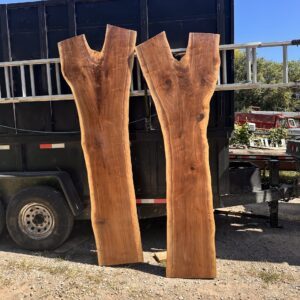
The look is the other reason people choose it. Fresh cherry is pale pink to light tan. Over months of light exposure it deepens to a rich red-brown, which is why a bar that looks modest on installation day often looks like a piece of furniture a year later.
Cherry is also softer than maple or oak and dings more easily, according to The Home Woodworker. That is an argument for a good finish and a sensible thickness, covered below, and it is part of the warm, lived-in character many homeowners want from a bar.
Size, thickness and overhang
The first design decisions are depth, thickness and how far the top overhangs the base.
Depth. A bar top is typically in the range of 18 to 24 inches deep, with room for a drink, a plate and elbows. Deeper tops suit a seated bar with stools on one side and a working area on the other.
Thickness. A thin top flexes under weight, and flexing is hard on a finish. Many bar builders work at about 1.5 inches for residential bars and 2 inches or more for heavier use, and a thicker top also reads as more substantial and sounds less hollow when a glass is set down. Ask for the finished thickness, not the lumber’s nominal size: rough 8/4 stock is planed down, so the finished top is thinner than the label suggests.
Overhang. Seated guests need knee room, and that is where a top is most likely to sag or tip. A modest overhang can be carried by the top itself, while a deep one needs brackets or corbels underneath. In practice, the deeper the overhang, the more support belongs under it, and the better the design should show that support rather than hide a gap.
Length. Long runs are normally built in sections that meet over a support, not as one long panel. A tight joint on a support point is easier to keep flat and easier to move through a doorway and down basement stairs.
| Decision | What it affects | What to settle in the design |
|---|---|---|
| Depth | Comfort, serving space | Seated bar or working bar, stool spacing |
| Thickness | Flex, finish life, look | Finished thickness, edge profile |
| Overhang | Knee room, stability | Brackets, corbels or a weighted back |
| Length | Joints, delivery | Section breaks over supports |
| Species and grade | Color, price | Color uniformity, knots, sapwood |
Dry lumber is the first decision
Wood takes up and gives off moisture with the seasons, and a top made from lumber that is too wet will shrink, open its joints and cup after installation. For an interior bar, builders aim for lumber dried to roughly the humidity of the room it will live in, commonly 6 to 8 percent moisture content. We wrote about this directly in our piece on avoiding warped bar tops with 6–8% dry lumber.
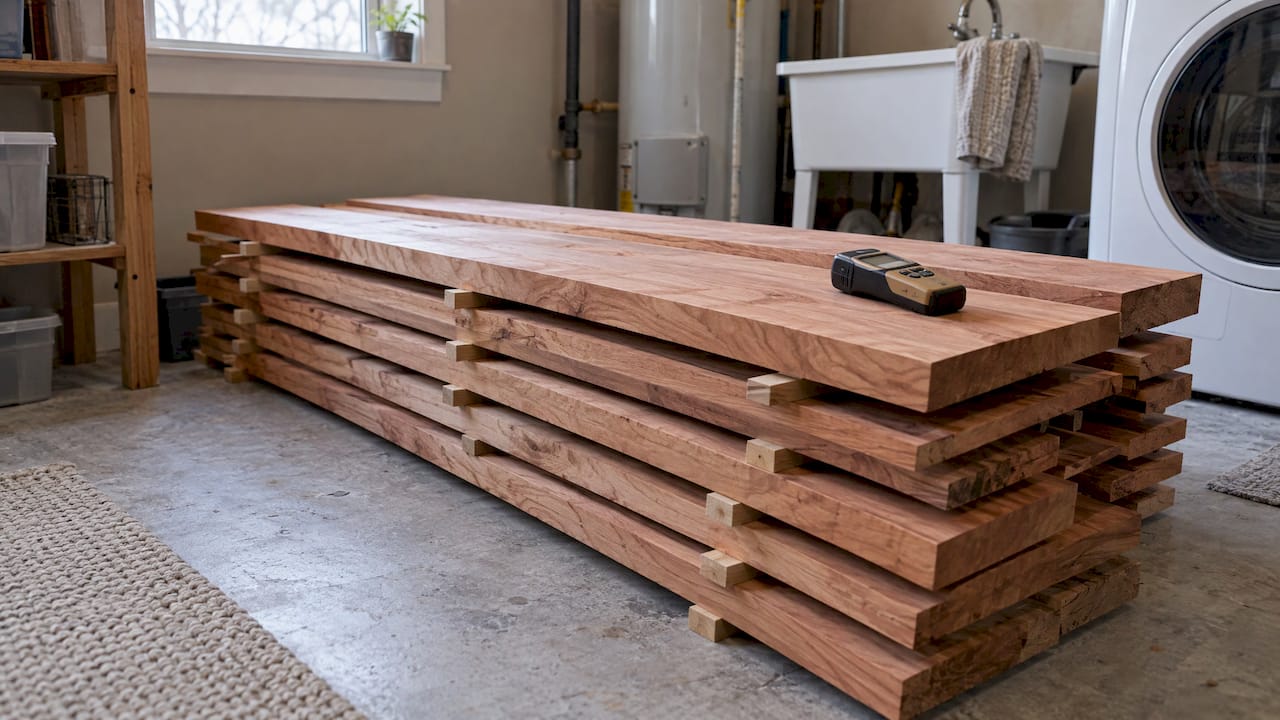
When you review a quote, you can ask what the moisture content of the lumber is and whether the boards were allowed to settle in the space before assembly. A builder who answers these questions plainly is one who has thought about the top’s second year, not just its first day.
Cherry has its own handling quirks. Chris Baylor, writing for The Spruce Crafts, says cherry should be finessed rather than bullied: sharp blades and shallow planer passes prevent burn marks, and boards should be matched for color so the glue joints disappear into the grain. In a wide top, color matching is the difference between a surface that looks like one piece of wood and one that looks like a patchwork.
How the boards are joined
Solid wood moves across its grain, not along it. A wide single board is more prone to cupping, so bar tops are normally built from narrower boards glued edge to edge, with the growth rings alternated to balance the tension. The result is flatter and easier to keep that way.
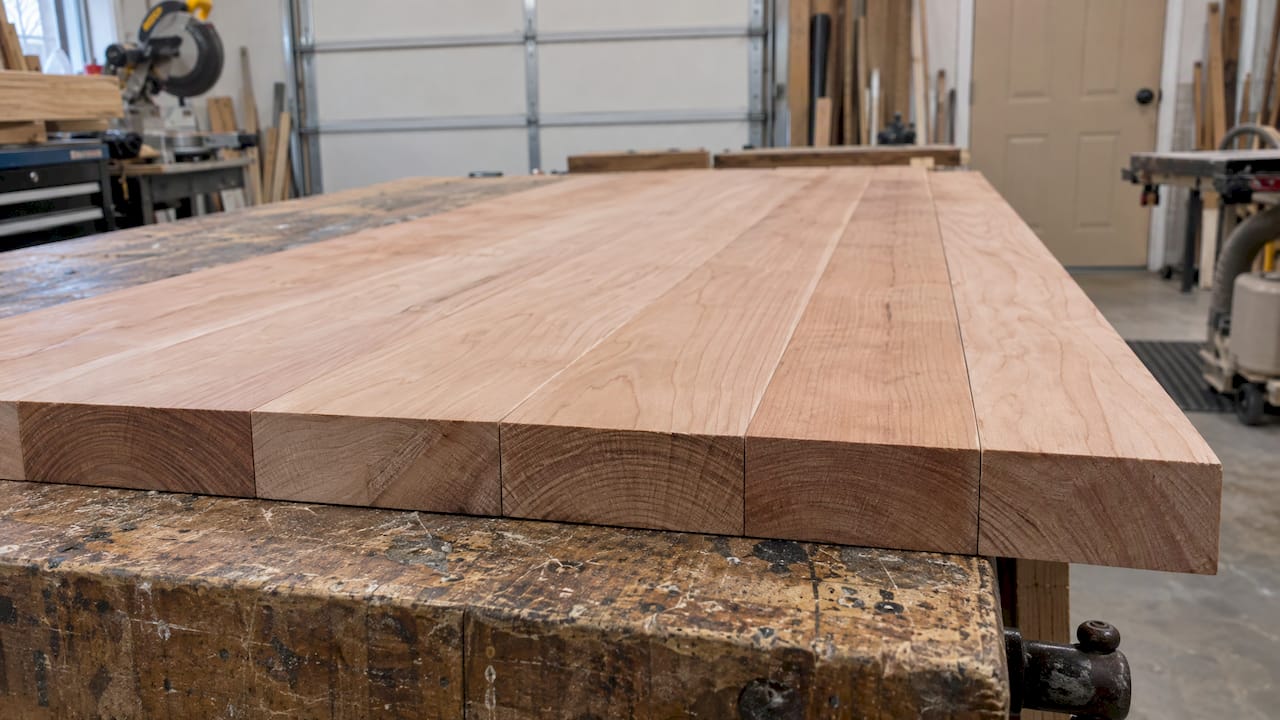
There is a second way to build a thick top: stand narrow strips on edge. Popular Woodworking describes a butcher-block-style top as one that stays flat because many glue joints stabilize the surface, and it shows less seasonal movement when the strips are riftsawn or quartersawn. This is the answer to the common question of whether butcher block works for a bar top: yes, when it is built as a thick, well-finished solid top and the finish is chosen for spirits and moisture rather than for a cutting board. Which construction suits you comes down to the look. Wide, flat grain shows the cherry’s figure. Edge-grain strips show a tighter, more uniform pattern.
Miters are the place to be careful. A mitered corner changes its angle as humidity moves the wood, so a bar with a corner or an L-shape should be designed with that movement in mind, not assumed to stay perfectly tight.
Attaching the top so it can move
This is where well-built bars and failed bars part ways. Wood Magazine’s guide, Dealing with Wood Movement, explains that anything attached to a solid-wood panel must allow it to expand and contract, and that movement can be ignored in cross-grain joints only up to about four inches wide. A bar top is far wider than that.
What that means in practice:
- No gluing the top flat to a plywood base. The top and the base move by different amounts, and the bond fails at the first big humidity swing.
- Fasteners that slide. Figure-8 fasteners, Z-clips, wooden buttons or slotted screw holes let the top shift while it stays held down.
- More fasteners along the long sides. Fine Woodworking advises attaching a solid top to the side rails every 4 to 8 inches, with about half as many on the front and back, since the movement runs across the grain.
- Pocket holes only on small or shallow pieces. They allow little movement, and the same article notes that dovetail-style blocks allow the most movement for wide tops.
Because a bar has a front and a back, the sensible thing is to fix the top near one edge and let it grow toward the other. Which edge is fixed is a design choice, and it is worth asking about.
Finishes that survive spills and elbows
A bar takes a different kind of abuse than a kitchen counter. The finish needs to resist alcohol, citrus and water rings, and it has to be easy to refresh. One design guide from Gray Kangaroo observes that for wood the finish matters more than the species, and that oil-based polyurethane and conversion varnish resist water and alcohol well, while shellac and most lacquers are poor choices because alcohol softens them. Seal the underside, the end grain and any cutout too, so moisture cannot enter from below.
Your main options:
- Film finishes (polyurethane, conversion varnish). A hard surface layer that sheds spills. It is the sensible default for a bar that will see regular use.
- Two-part epoxy bar-top coatings. A thick, glossy, waterproof layer. Rockler’s product page for its bar and tabletop epoxy describes a self-leveling coat with a cure time of three to five days, a long wait that is worth planning for before an event.
- Penetrating oils. They keep a natural, low-sheen look but need regular re-oiling and can show water rings.
Cherry has one more trap. It blotches under ordinary stain, because the density varies across the board face. WoodWiki’s cherry guide says a dewaxed shellac washcoat ahead of a gel stain is the most reliable blotch control, and that many woodworkers skip stain and let light darken the wood naturally. If you want a deeper color the day the bar goes in, say so at the design stage so the finishing is planned for it.
What it costs, and where the price comes from
The price of a custom bar top is driven by the lumber, the labor of milling, gluing and finishing, and the size and complexity of the design. Material price varies by region and grade. WoodWiki’s 2026 table puts Midwest and South local yards at roughly $5 to $8 per board foot for cherry, with online retailers and Western retail higher. A top 8 feet long, 2 feet deep and about 2 inches thick uses well over 30 board feet before milling waste, so the lumber alone is a meaningful line, and the waste from straightening and matching boards adds to it.
We do not publish a fixed price for solid wood bars, because the size, the support and the finish change the project. We price each one per project after a design consultation. Our guide to the one decision that sets the cost of a solid wood bar is a good companion read before you call.
Our perspective
We think of a bar top as the one part of a bar that everyone touches. It takes the elbows, the glasses and the spills, so it is where the carpentry shows.
Our team brings more than 100 years of combined carpentry experience to custom work, and we pair it with a design consultation so the bar fits the room, the budget and the way you entertain. A cherry top, built from dry lumber, matched boards and a finish chosen for spirits, rewards that kind of care for decades.
We would rather talk through size, seating and storage with you first than hand you a catalog. Built-ins, a bar nook, a basement corner: each gets drawn to the space it is going into.
Wood
Work with a Central Illinois bar builder
If you would like a solid wood bar designed around your room, our team at Wood Made Illinois handles custom carpentry, built-ins and solid wood bars for homes and small businesses in Central Illinois. Start with a design consultation and bring your room dimensions, a few photos and your ideas about seating, storage and finish. See our solid wood bar builder page or contact us through the main site.
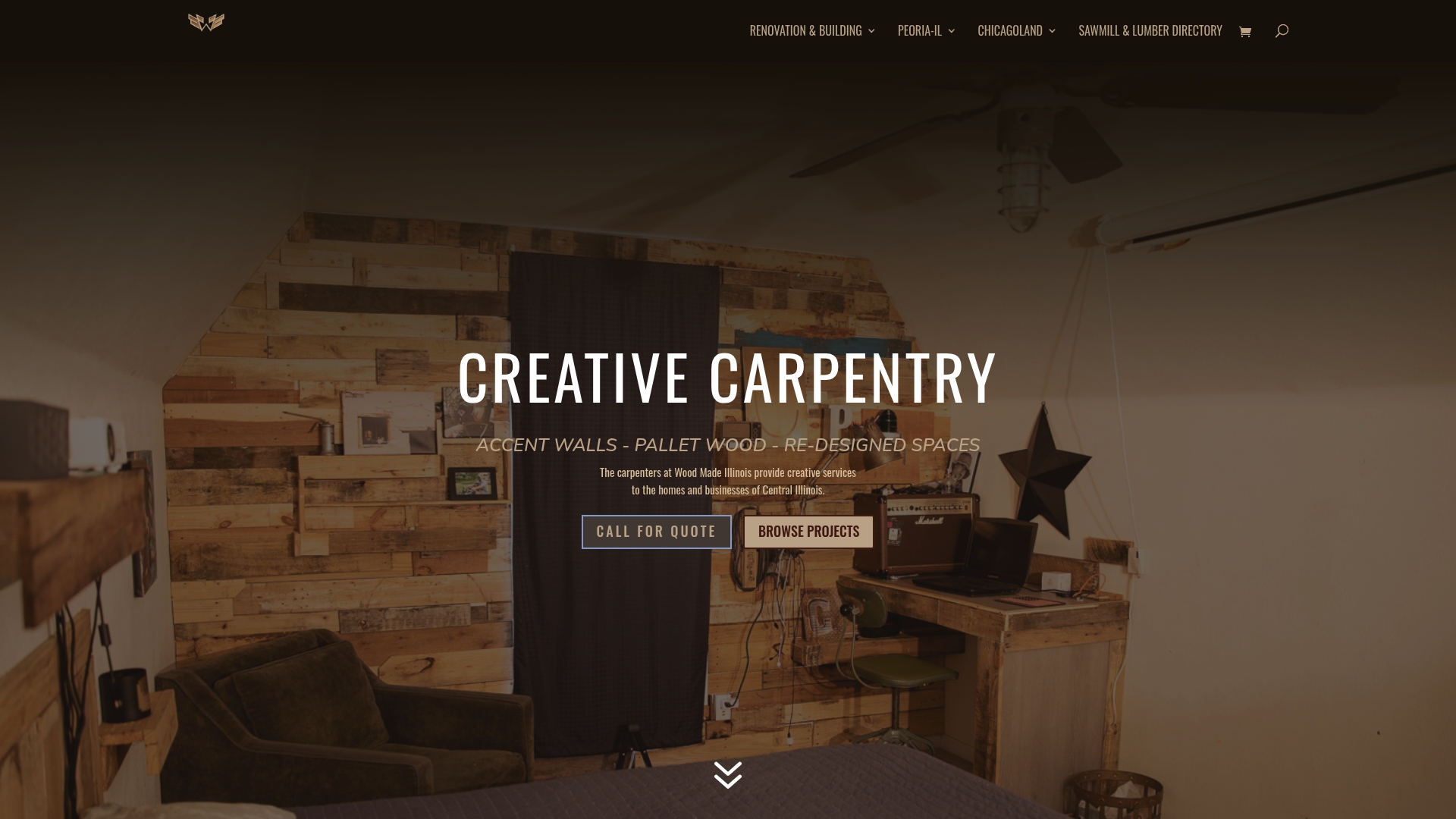
A bar often sits beside other built-ins such as shelving, cabinets or trim, and our finish carpentry work can match the details so the whole space reads as one design.
FAQ
Is butcher block good for a bar top?
Yes, when it is built thick and finished for spirits and moisture. The many glue joints in a butcher-block-style top help keep it flat. Choose a bar-rated film finish or epoxy rather than a food-contact oil.
How thick should a solid cherry bar top be?
Many residential builds run about 1.5 inches, with 2 inches or more for a heavier look or heavier use. Thicker tops flex less and carry a deeper overhang more confidently. Ask for the finished thickness after planing, and for the support plan under any overhang.
Will a cherry bar top change color?
Yes. Cherry starts pale and darkens to a deeper red-brown over its first months of light exposure. Plan the room’s colors around the final tone, and tell your builder if you want a deeper color from day one so the finishing can be planned.
Why do some wood bar tops crack or warp?
The usual causes are lumber that was too wet when it was built, and a top fastened so firmly that it cannot move with humidity. Dry lumber and sliding fasteners address both. Our article on dry lumber for bar tops explains the moisture target.
Sources
- Hardwood Lumber and Veneer Series: Black Cherry, Purdue Extension
- Tips for Woodworking With Cherry, The Spruce Crafts
- Ultimate Guide to Making A Wood Top From Solid Woods, The Home Woodworker
- Make a Butcher Block Top, Popular Woodworking
- Dealing with Wood Movement, Wood Magazine
- 5 Ways to Attach Tabletops, Fine Woodworking
- Bar top materials compared, Gray Kangaroo
- MirrorCoat Bar/Tabletop Finish, Rockler
- Cherry Wood: Properties, Hardness, Blotch-Free Finish, WoodWiki