Home interior upgrade best practices are defined as the set of methods that balance visual appeal, daily function, and budget discipline to produce lasting improvements. The industry term for this approach is cost-effective renovation planning, and it applies whether you own your home or rent a space you want to make more livable. The core principle is simple: spend where you get the most return, both in daily comfort and long-term value. Upgrades that combine aesthetics with function consistently outperform purely decorative changes.
1. What are the top home interior upgrades for maximum value?
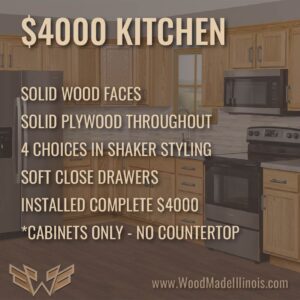
Minor kitchen updates deliver the strongest financial return of any interior project. Minor kitchen remodels yield a return on investment of 96%–113%, while full gut renovations return only 38–70 cents per dollar spent. That gap tells you everything about where to focus your budget. Cabinet refacing, new hardware, and a fresh coat of paint on walls and trim can transform a kitchen for a fraction of the cost of a full remodel.
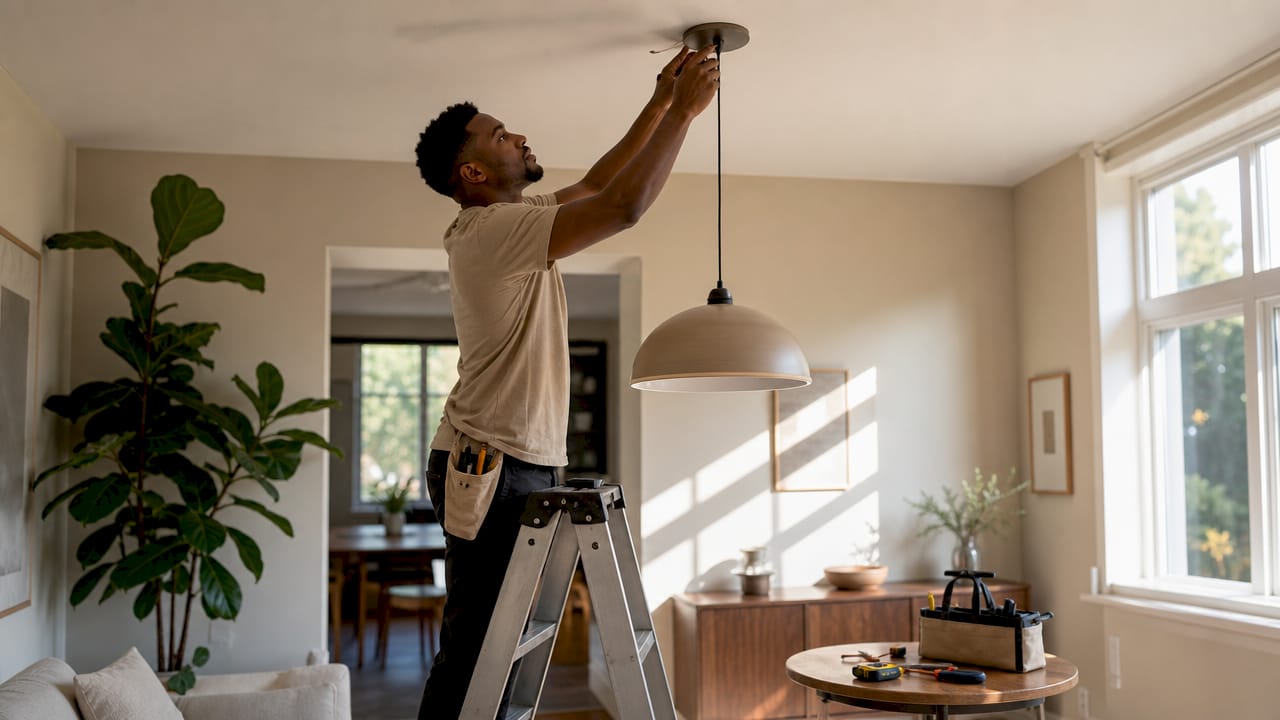
Lighting upgrades rank second for impact per dollar. Swapping dated overhead fixtures for layered lighting, which means combining ambient, task, and accent sources, changes how a room feels at every hour of the day. New pendant lights over a kitchen island or a statement fixture in a dining room cost relatively little but read as a full room refresh.
Paint is the skin protecting the bones of your home. Applied strategically to walls, ceilings, and trim, it is the single most cost-effective cosmetic tool available. Neutral, timeless tones like warm whites, soft grays, and greiges maximize resale appeal and work with nearly any furnishing style.
Pro Tip: Replace cabinet hardware before painting. New pulls and knobs cost $2–$8 each and make painted cabinets look intentional rather than budget-driven.
Area rugs, soft furnishings, and window treatments refresh a room without touching a single wall. These are the upgrades renters rely on most, and they work just as well for homeowners who want a quick visual reset between larger projects.
2. How to prioritize home renovation spending by ROI
Not every upgrade earns back what you put in. Strategic small upgrades consistently outperform costly gut renovations in both financial return and livability. The framework below helps you rank projects before spending a dollar.
Rank your projects in this order:
- Safety and systems first. Electrical panels, plumbing leaks, and roof integrity affect everything else. A beautiful kitchen means nothing if the wiring behind it is a fire risk.
- High-traffic functional spaces second. Kitchens and bathrooms see the most daily use and carry the most resale weight.
- Cosmetic and comfort upgrades third. Paint, lighting, hardware, and soft furnishings come after the structure is sound.
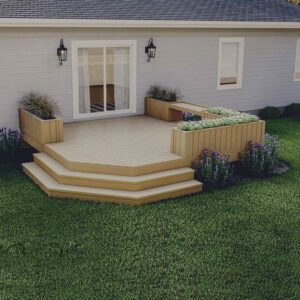
- Exterior curb appeal last. Fresh paint and landscaping can add perceived value of 5%–12% at modest cost, but only after interior priorities are met.
Homeowners who prioritize use-value over purely resale-driven improvements report higher satisfaction with their projects. The reason is straightforward: you live in the space every day, and a functional, comfortable home pays dividends in quality of life that no appraisal can fully capture.
3. How budgeting strategies prevent costly renovation overruns
Budget discipline is the foundation of every successful interior upgrade. Cosmetic refresh costs range from $5–$30 per square foot, while full gut renovations exceed $150 per square foot. Knowing which category your project falls into before you start is the difference between a completed upgrade and a stalled one.
Two rules govern renovation budgeting:
- The 30% rule. The 30% renovation spending cap limits your total project cost to roughly 30% of your home’s current market value. Spending beyond that threshold risks over-capitalizing, meaning you spend more than you can recoup on resale.
- The contingency rule. Set aside 15%–20% of your total budget as a contingency fund before any work begins. For homes older than 50 years, raise that figure to 20%–30% to account for hidden structural issues, outdated wiring, or concealed water damage.
“A strict contingency budget prevents stalled projects caused by unexpected hidden issues common in older homes.” Treating contingency funds as optional padding is the most common and most expensive mistake homeowners make.
Lock your project scope in writing before any contractor starts work. Scope creep, which is the gradual addition of unplanned tasks, is the primary driver of budget overruns. Vet contractors thoroughly: check licenses, request itemized bids, and verify references on projects similar in scale to yours.
4. What sequence of upgrades saves the most time and money
Renovation sequencing is a discipline that most homeowners overlook until they are paying to redo finished work. A proper renovation sequence follows this order: structural and systems repairs first, then drywall and insulation, then flooring, then paint, then fixtures and hardware last.
The logic is protective. Flooring installed before drywall work gets damaged by dust, debris, and foot traffic. Paint applied before fixtures are hung gets marked up during installation. Each step out of order creates rework, and rework costs money.
Pro Tip: Bundle kitchen and bathroom renovations with one contractor. Combining projects can save 15%–30% in labor fees because the contractor mobilizes once and works across both spaces in a single visit.
- Start with structure. Roof, foundation, electrical, and plumbing repairs are non-negotiable first steps.
- Rough-in work next. Any changes to walls, insulation, or ductwork happen before surfaces are closed.
- Flooring before paint. Install hardwood, tile, or luxury vinyl plank before painting walls to protect new floors from drips.
- Paint walls and ceilings. Roll walls and ceilings after flooring is protected with drop cloths.
- Install fixtures and hardware last. Cabinet pulls, light fixtures, and plumbing fixtures go in after all painting is complete.
Living in your home for several months before tackling major renovations gives you a clear picture of how you actually use each space. That observation period prevents costly mistakes, like expanding a kitchen that you rarely cook in or adding storage where you need open floor space.
5. Resale value versus daily comfort: how to choose
The tension between upgrading for resale and upgrading for daily life is real, and the right answer depends on your timeline. Experts consistently recommend prioritizing use-value for homeowners who plan to stay five or more years. For those planning to sell within two years, cosmetic upgrades with broad appeal take priority.
| Upgrade Type | Best for Resale | Best for Daily Comfort |
|---|---|---|
| Neutral paint colors | Yes | Yes |
| Custom built-ins | Moderate | High |
| High-end appliances | Low to moderate | High |
| Hardwood floor repair | Yes | Yes |
| Bold or themed decor | No | Depends on taste |
| Ergonomic home office | Moderate | Very high |
Cosmetic upgrades with broad appeal, meaning neutral colors, classic hardware finishes, and timeless materials, serve both goals at once. They make the home more pleasant to live in now and more attractive to buyers later. Overly customized designs, like themed rooms or high-end finishes in a mid-range neighborhood, often deter buyers and deliver poor ROI.
For long-term homeowners, the calculus shifts toward function. A well-designed home office or a custom storage solution built from quality materials adds daily value that no appraisal fully captures. Renters benefit most from non-permanent upgrades: area rugs, removable wallpaper, freestanding shelving, and quality lighting that moves with them.
Key takeaways
The most effective home interior upgrade strategy combines minor, high-ROI improvements with disciplined budgeting, proper sequencing, and a clear priority order that puts function before aesthetics.
| Point | Details |
|---|---|
| Minor kitchen updates lead ROI | Cabinet refacing and hardware swaps return 96%–113%, far outpacing gut remodels. |
| Budget with a contingency fund | Reserve 15%–20% of your budget for surprises; raise to 20%–30% for older homes. |
| Follow the renovation sequence | Install flooring before painting and fixtures last to avoid costly rework. |
| Bundle projects to cut labor costs | Combining kitchen and bathroom work with one contractor saves 15%–30% in fees. |
| Prioritize use-value first | Upgrades that improve daily function deliver satisfaction that resale math alone cannot measure. |
What I’ve learned from years of working inside people’s homes
The most common mistake I see is homeowners skipping the observation phase. They buy a house, feel the urge to make it theirs immediately, and start tearing things apart before they understand how the space actually lives. Six months later, they realize the dining room they expanded was never the problem. The bottleneck was a dark, cramped entryway they walked past every single day.
The second mistake is treating contingency funds as money they hope not to spend. In carpentry and renovation work, hidden problems are not the exception. They are the rule, especially in homes built before 1980. Knob-and-tube wiring, galvanized pipes, and subfloor rot do not announce themselves. They wait until you open a wall.
What works, consistently, is the discipline of small, well-executed changes. A budget interior upgrade done with quality materials and proper sequencing outlasts and outperforms a rushed gut remodel every time. Renovation is a marathon, not a sprint. The homeowners who finish with spaces they love are the ones who planned carefully, spent where it counted, and resisted the temptation to do everything at once.
— Wood
Woodmadeillinois: carpentry and renovation expertise for Central Illinois
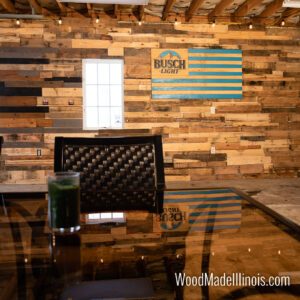
Woodmadeillinois brings over 100 years of combined carpentry experience to homes and businesses across Central Illinois. The team specializes in the kind of targeted, high-impact work that this article describes: custom built-ins, kitchen upgrades, home office installations, and storage solutions that make spaces work harder without breaking budgets.
Whether you need a single room refreshed or a full interior rethought, Woodmadeillinois offers personalized design consultations and custom installations built to last. The team works with diverse materials, including pallet wood and barnwood, to deliver character and function at a price that respects the 30% rule. Connect with trusted local carpentry experts to put these renovation best practices to work in your home.
FAQ
What is the best first step in a home interior upgrade?
Start with a structural and systems audit before any cosmetic work. Electrical, plumbing, and roof integrity must be sound before you invest in finishes.
How much should I budget for a home renovation contingency?
Set aside 15%–20% of your total renovation budget as a contingency. For homes older than 50 years, increase that reserve to 20%–30%.
Which home upgrades have the highest return on investment?
Minor kitchen remodels return 96%–113% on average. Exterior paint and landscaping add perceived value of 5%–12% at relatively low cost.
Should I renovate for resale or for daily comfort?
If you plan to stay five or more years, prioritize use-value upgrades that improve daily function. If you plan to sell within two years, focus on neutral cosmetic upgrades with broad buyer appeal.
What is the correct order to complete home renovation phases?
Follow this sequence: structural repairs, rough-in work, flooring, paint, then fixtures and hardware last. Installing in this order prevents rework and protects finished surfaces.