Affordable stylish renovation is defined as the practice of achieving high-impact aesthetic improvements through low-cost, targeted upgrades rather than expensive structural changes. The industry term for this approach is “cosmetic renovation,” and it covers everything from painting cabinets to layering lighting and swapping hardware. Planning digitally before construction can reduce costs by an average of 40%, which means most of the work happens on paper before a single nail is driven. Cosmetic refreshes typically range from $3,000 to $8,000, while full renovations climb to $15,000 to $40,000. Knowing that gap is the first step toward spending wisely.
What does affordable stylish renovation mean in practice?
Affordable stylish renovation means choosing upgrades that change how a space looks and feels without touching its bones. Paint, lighting, hardware, and textiles are the tools. Structural work, such as moving walls or rerouting plumbing, is left alone unless absolutely necessary. The result is a space that reads as thoughtfully designed, not cheaply patched.
The core principle is restraint. Aesthetic upgrades like paint, lighting, and hardware consistently deliver the highest return on investment of any renovation category. Spending $500 on new cabinet hardware and a fresh coat of paint often does more for a kitchen’s perceived value than a $5,000 appliance upgrade. That is not a compromise. That is good design thinking.
Strategic sequencing matters just as much as the individual choices. Focusing first on high-impact foundational changes produces better results than simply spending less across the board. Homeowners who map their priorities before opening their wallets finish with spaces that feel intentional, not accidental.
Key strategies that define a cost-effective home makeover
The most reliable framework for budget-conscious renovation is the splurge-and-save method. It works by pairing one or two genuinely high-quality anchor pieces with budget-friendly alternatives throughout the rest of the room. A solid wood coffee table, for example, reads as expensive even when surrounded by affordable seating. The contrast actually makes both pieces look better.
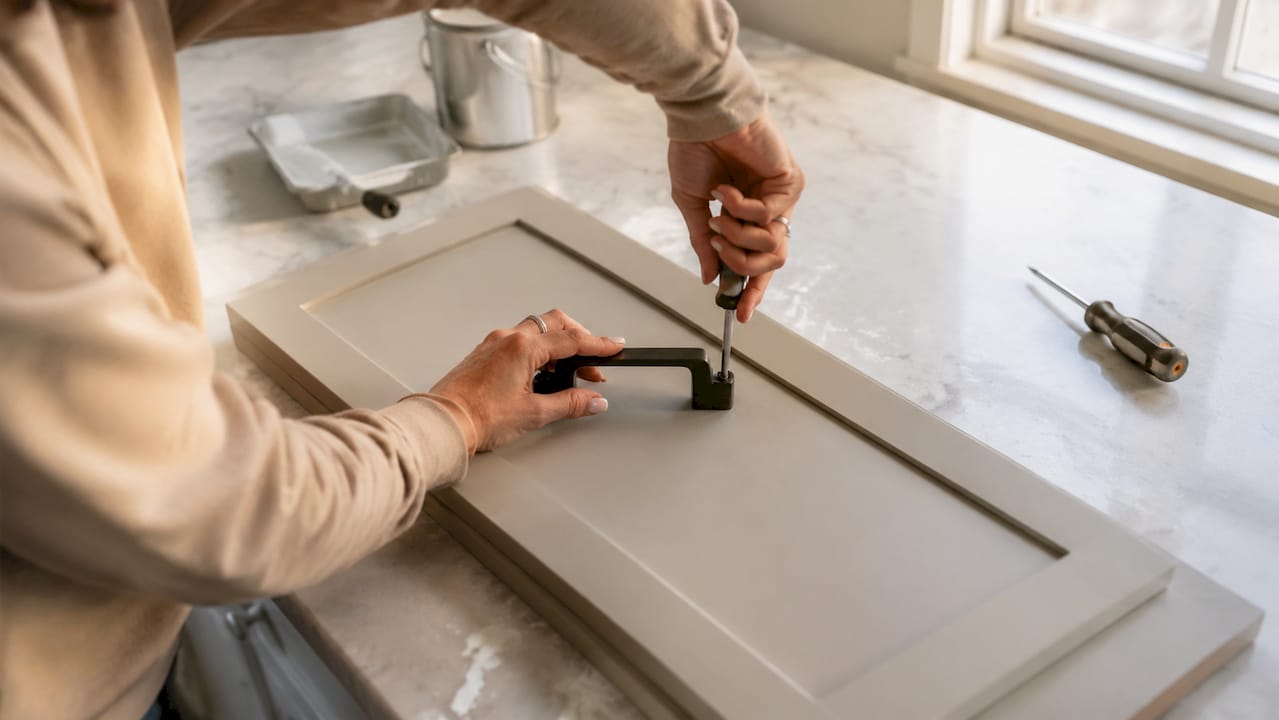
Refacing cabinets and updating hardware can transform a kitchen for roughly 5% of what a full remodel costs. That single fact reframes how most homeowners think about kitchen renovation. You do not need new cabinets. You need new faces on the ones you have.
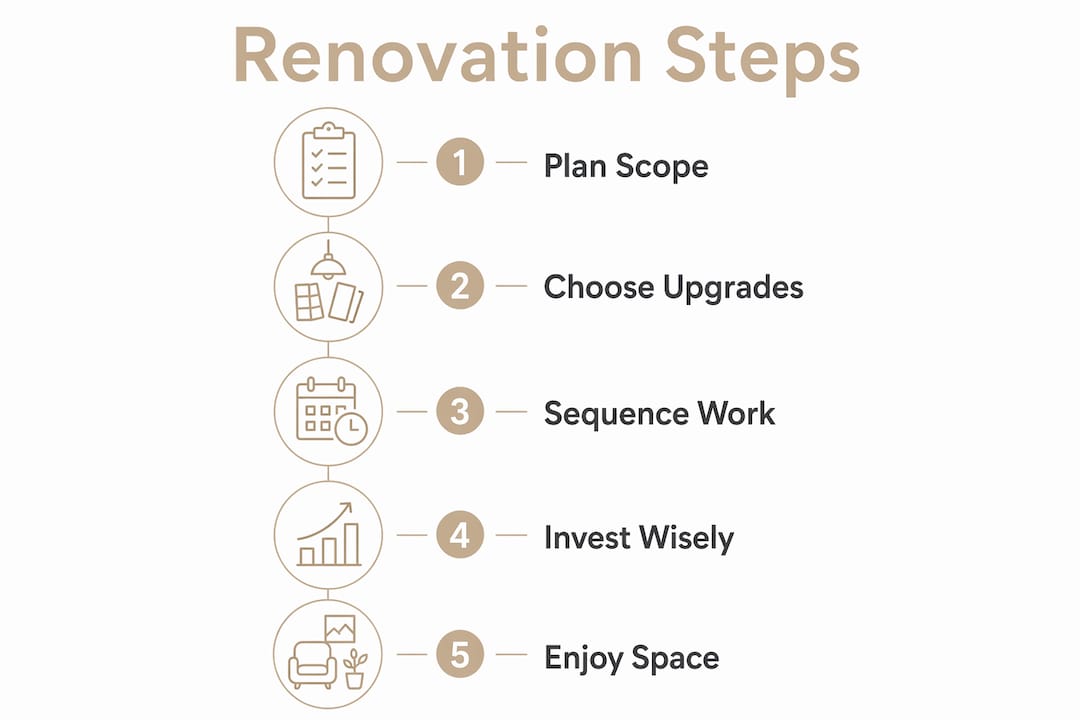
Digital planning tools reduce mid-project errors and change orders, which are the two biggest budget killers in any renovation. Visualizing a room before committing to materials prevents the expensive “that’s not what I pictured” moment. The 40% cost reduction from digital planning is not theoretical. It comes from fewer mistakes, not fewer ambitions.
Prioritization is the discipline that separates successful budget renovations from frustrating ones. Focus your budget on the rooms you use most and the upgrades with the widest visual footprint.
- Splurge on: one anchor piece per room, quality lighting fixtures, and durable flooring in high-traffic areas
- Save on: decorative accessories, textiles, secondary furniture, and wall art
- Sequence correctly: address any hidden electrical or plumbing issues first, then move to cosmetic work
- Measure twice: confirm dimensions, finishes, and quantities before ordering anything
Pro Tip: Before calling a contractor, spend two weeks living with your space and noting exactly what bothers you. The list will be shorter than you expect, and the fixes will be cheaper.
Affordable design tips that deliver real style
The most underused renovation strategy costs nothing. Decluttering, cleaning, and rearranging furniture before spending any money is the professional’s first move. A room with less in it almost always looks better than the same room with more. Start there.
Once the free work is done, small investments produce outsized results. Room refreshes start at $50 to $200 for noticeable improvements, which means you do not need a large budget to see a real difference. The key is targeting changes with the widest visual footprint.
- Paint walls and cabinets. A single gallon of quality paint covers roughly 400 square feet and changes the entire mood of a room. Cabinet painting alone can make a kitchen look five years newer.
- Update hardware. Swapping drawer pulls and cabinet knobs takes under an hour and costs $50 to $150 for a full kitchen. The visual impact is immediate.
- Layer your lighting. Replace a single overhead fixture with a combination of ambient, task, and accent lighting. Layering lighting and curated accessories creates rooms that read as expensive without high-priced furniture.
- Add peel-and-stick backsplash. Modern peel-and-stick tile looks convincing, installs in an afternoon, and costs a fraction of traditional tile work.
- Use mirrors strategically. A large mirror on a short wall doubles the perceived depth of a room. Thrift stores and estate sales regularly carry quality frames for under $40.
- Shop secondhand for accents. Vintage markets and online resale platforms carry unique pieces that add character no big-box store can replicate.
Pro Tip: Textiles do the heavy lifting in any room. New throw pillows, a quality area rug, and linen curtains cost under $300 combined and change the entire feel of a living space.
Common pitfalls that blow renovation budgets
The most dangerous phrase in home renovation is “while I’m at it.” Homeowners should avoid the “while I’m at it” syndrome because structural projects escalate costs exponentially once walls are open. A cosmetic kitchen refresh becomes a full gut renovation the moment someone decides to move the sink. Keep the scope tight.
Spending more does not produce more style. True stylish renovation is about restraint, not volume. Buying fewer, high-quality pieces that bring long-term satisfaction outperforms filling a room with trendy, inexpensive items that age poorly. One well-chosen piece anchors a room. Ten mediocre ones clutter it.
Scattering a budget across low-impact purchases is the second most common mistake. A new throw pillow here, a decorative tray there, and a set of candles somewhere else adds up to $300 spent with nothing to show for it. Concentrate spending on changes with the widest visual footprint first.
- Avoid scope creep: define the project boundaries before work begins and hold them
- Skip trendy finishes: choose timeless colors and materials that will not feel dated in three years
- Reserve an emergency buffer: set aside 10% to 20% of your budget for unexpected conditions like rot or outdated wiring discovered during demolition
- Fix core systems first: addressing electrical and plumbing issues before decorative work prevents far more expensive fixes later
How to apply stylish renovation ideas room by room
Each room has a different set of high-return upgrades. The table below maps the most cost-effective changes by space, so you can allocate your budget where it works hardest.
| Room | High-impact upgrade | Estimated cost | Visual result |
|---|---|---|---|
| Kitchen | Cabinet painting plus new hardware | $200–$600 | Looks like a full remodel |
| Bathroom | New lighting fixture plus mirror swap | $150–$400 | Brighter, more modern feel |
| Living room | Layered lighting plus area rug | $200–$500 | Warmer, more intentional space |
| Bedroom | Fresh paint plus quality bedding | $100–$300 | Calmer, more finished look |
| Home office | Custom shelving plus task lighting | $300–$700 | More functional and professional |
Kitchen renovation on a budget is where most homeowners see the fastest return. Total kitchen refreshes using paint, hardware, and a peel-and-stick backsplash can cost $500 to $1,500 and dramatically improve the room’s appearance. That is a fraction of the $15,000 to $40,000 range for a full remodel.
Bathrooms respond well to lighting changes because most builder-grade fixtures cast unflattering light. Replacing a single vanity light with a quality fixture and adding a frameless mirror can make a small bathroom feel like a boutique hotel room. The work takes one afternoon and rarely requires a permit.
Living rooms and bedrooms benefit most from the “free first” approach. Rearranging furniture to improve traffic flow and natural light costs nothing. Once the layout is right, targeted additions like a quality rug or new curtains complete the refresh. For home offices, custom-built shelving from common materials adds both function and character without the price of built-in cabinetry.
Key Takeaways
Affordable stylish renovation succeeds through restraint, sequencing, and targeted investment in high-impact cosmetic upgrades rather than structural changes.
| Point | Details |
|---|---|
| Define scope before spending | Limit the project to cosmetic upgrades and hold that boundary throughout. |
| Use the splurge-and-save method | Pair one quality anchor piece per room with budget-friendly alternatives everywhere else. |
| Start with free strategies | Declutter, rearrange, and clean before spending a dollar on materials or labor. |
| Reserve an emergency buffer | Set aside 10%–20% of your total budget for hidden issues found during the project. |
| Layer lighting and textiles | These two categories deliver the highest perceived value per dollar spent. |
What I’ve learned after years of watching renovations go right and wrong
The homeowners who finish with the best-looking spaces are almost never the ones who spent the most. They are the ones who spent the most deliberately. They walked through their rooms for weeks before making a single purchase. They knew exactly which three things they were going to change, and they changed only those things.
The most common mistake I see is starting with a contractor before having a creative vision. Most failures occur from starting with contractors before a cohesive plan. A contractor will build whatever you describe. If you cannot describe it clearly, the result will reflect that. Spend the planning time first. It costs nothing and saves everything.
Patience is the real budget tool. Buying two or three pieces you genuinely love, then waiting until you find the next right piece, produces rooms that feel curated. Filling a room quickly with whatever is available produces rooms that feel busy. The difference is not money. It is time and intention.
Renovation is a marathon, not a sprint. The homes that age best are the ones where every addition was chosen carefully, not urgently.
— Wood
Woodmadeillinois can bring your renovation vision to life
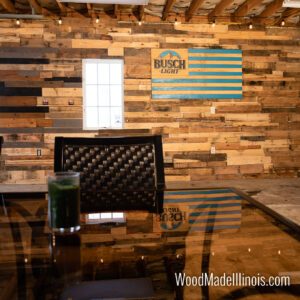
Knowing what affordable stylish renovation means is one thing. Executing it well is another. Woodmadeillinois has over 100 years of combined carpentry experience helping Central Illinois homeowners and renters get the most from their renovation budgets, from custom shelving and accent walls to full room makeovers using materials like pallet wood and barnwood.

Whether you need a single statement piece or a full room refresh, the team at Woodmadeillinois offers personalized design consultations and trusted local carpentry expertise to match your vision to your budget. You can also browse completed projects at Wood Made Projects to see what is possible. Call 309.704.0132 or visit woodmadeillinois.com to start a conversation.
FAQ
What is the difference between cosmetic and structural renovation?
Cosmetic renovation covers surface-level changes like paint, hardware, lighting, and textiles. Structural renovation involves moving walls, rerouting plumbing, or altering the home’s frame, and it costs significantly more.
How much does an affordable stylish renovation typically cost?
Cosmetic refreshes typically range from $3,000 to $8,000, while targeted room updates can start as low as $50 to $200 for noticeable improvements.
What is the splurge-and-save method?
The splurge-and-save method pairs one or two high-quality anchor pieces with budget-friendly alternatives throughout the rest of the room, producing a high-end look at a fraction of full-remodel costs.
Which rooms give the best return on a budget renovation?
Kitchens and bathrooms deliver the highest perceived value per dollar spent. Cabinet painting, hardware updates, and lighting changes in these two rooms produce the most visible results.
How much emergency budget should I set aside for a renovation?
Reserve 10% to 20% of your total renovation budget for unexpected conditions like rot or outdated wiring that may be discovered once work begins.